

Balancing Syrup and Sweetness in Turkish Desserts: From Baked Rice Pudding to Stuffed Figs
The balance of flavor among milk-based, syrupy, and fruit-based alternatives in traditional Turkish desserts is established by selecting dishes in order from light to rich, based on the heaviness of sugar on the palate, serving temperature, and whether the main course is meat- or vegetable-heavy. While milk-based desserts like baked rice pudding (fırın sütlaç) offer lightness after a heavy main dish, fruit delicacies like pistachio-stuffed figs (fıstıklı incir dolması) complement the palate with subtle spice notes.
Ideal Serving Temperatures for Milk-Based and Syrupy Desserts
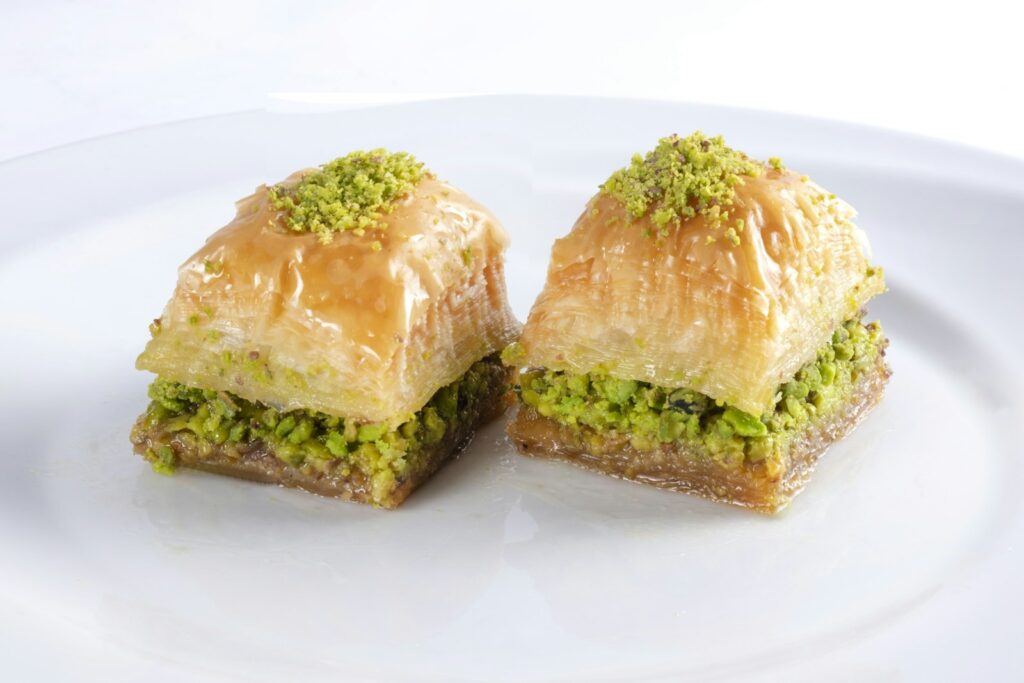
Milk-based desserts are served cold between 4°C and 8°C, whereas syrupy desserts should be presented warm around 30°C or at room temperature between 20°C and 22°C to prevent the sugar syrup from crystallizing. An increase in temperature causes the sweetness to be perceived more intensely by taste receptors on the tongue. Serving items with high sugar content such as baklava, kadayıf, and şekerpare at refrigerator coldness causes the syrup to solidify and butter to coat the palate.
Milk-based desserts, by contrast, stand out for their refreshing character. Options such as fırın sütlaç, kazandibi, or keşkül—prepared by combining starch, rice, and milk—are chilled and rested after cooking. Cold service preserves the natural aromatic profile of the milk while balancing the perception of sweetness. Dense sugar syrup used in syrupy options penetrates the texture of the dough when served warm, delivering a soft texture.
In traditional culinary culture, dessert sequencing is also planned by taking serving temperature and sugar concentration into account. Cold milk desserts are preferred to refresh the palate after a heavy baked dish or spiced stove dish. Following lighter olive oil dishes, syrupy options round out the flavor profile. To understand the textural properties of dishes across different categories, you can examine the topic of differences between Turkish desserts and shape your menu choices accordingly.
The material of the serving vessel plays a critical role in preserving the temperature of the dessert. Baked rice pudding is traditionally cooked in earthenware bowls, retaining its chilled temperature for longer. Syrupy desserts are typically served on copper or porcelain plates with ample surface area to prevent syrup from settling at the bottom. When the correct serving temperature is maintained, secondary aromas such as vanilla, mastic, or butter become distinct.
Spice and Flavor Balance in Pistachio-Stuffed Figs
The ideal flavor balance in pistachio-stuffed figs is achieved by neutralizing the natural fruit sugar of dried figs with the rich texture of walnuts or pistachios and subtle spice aromas like cloves and cinnamon. Falling into the fruit dessert category, this recipe is prepared without added refined sugar or with only a minimal drizzle of light syrup. High fiber and natural fructose in figs combine with the protein and fat content of nuts to create a satisfying yet light taste profile.
The quantity of spices used during the cooking process of stuffed figs is key to flavor balance. A few cloves or cinnamon sticks placed at the bottom of the pot infuse into the texture of the figs via steam while cooking. These spices cut through the dominant sweetness of the fruit, leaving a refreshing aromatic impression on the palate. Freshly ground pistachios used in the filling add both a crunchy texture and extra flavor depth.
Combining fruit and spices was a frequently used method in Ottoman palace cuisine. Balancing sweet and savory components was one of the core areas of expertise for palace master confectioners (helvacıbaşı). If you are curious about how these historical recipes are adapted into modern restaurant kitchens, you can browse details on Ottoman culinary options. The culinary team at Olive Anatolian carefully balances sugar and spice ratios in fruit desserts while retaining traditional cooking techniques.
Adding water buffalo clotted cream (kaymak) or light strained yogurt alongside stuffed figs provides acidity and fat balance, preventing the sweetness from overpowering the throat. Serving warm figs alongside cold kaymak creates an agreeable mouthfeel derived from temperature contrast. Such fruit desserts offer a lighter digestive profile after dinner compared to heavy syrupy alternatives.
Baked Rice Pudding and Brownies as Gluten-Free Options
Traditional baked rice pudding, naturally free of wheat flour, and specially formulated brownies made with rice flour or hazelnut flour serve as ideal dessert alternatives for gluten-conscious food enthusiasts. The classic fırın sütlaç recipe uses rice slurry or starch as a binding agent. This renders the pudding completely free of wheat gluten without compromising its traditional flavor and silky texture.
Ingredient transparency for desserts served at restaurants is essential for guests following a gluten-free diet. For those seeking chocolate desserts, gluten-free brownie options enriched with hazelnut meal and cocoa butter stand out. Separate preparation areas and dedicated equipment are utilized in the kitchen to minimize cross-contact risks. However, guests with severe celiac sensitivity are advised to inform the service staff of their dietary requirements prior to ordering.
A wide range of naturally gluten-free and adapted options is offered on the menu for guests with diverse dietary preferences. To learn more about specific menu offerings and kitchen practices, you can visit the gluten-free dining options link. Olive oil fruit desserts and milk recipes transform gluten-free dining from a restriction into a rich culinary experience.
Additionally, light dessert alternatives prepared with plant-based milks or baked in natural fruit juices are available for plant-based diners. Rice pudding variations cooked with coconut milk, as well as baked fruit desserts like quince or pumpkin, offer tasty solutions that are both gluten-free and free of animal products.
| Dessert Name | Dessert Category | Serving Temperature | Dominant Flavor Profile | Gluten-Free Status |
|---|---|---|---|---|
| Baked Rice Pudding (Fırın Sütlaç) | Milk Dessert | 4°C – 8°C (Cold) | Milk, Caramelized Crust, Vanilla | Naturally Gluten-Free (Starch/Rice) |
| Pistachio-Stuffed Figs | Fruit Dessert | 18°C – 22°C (Room Temp / Warm) | Dried Fig, Pistachio, Clove | Naturally Gluten-Free |
| Pistachio Baklava | Syrupy Dessert | 20°C – 25°C (Warm) | Butter, Phyllo, Pistachio, Syrup | Contains Gluten (Wheat Flour) |
| Gluten-Free Brownie | Modern Cake / Chocolate | 20°C – 25°C (Room Temp) | Dark Chocolate, Hazelnut, Cocoa | Specially Formulated Gluten-Free |
| Quince Dessert (Ayva Tatlısı) | Fruit Dessert | 15°C – 20°C (Warm / Room Temp) | Quince, Cinnamon, Clotted Cream | Naturally Gluten-Free |
Selecting Beverage Pairings with Dessert at a Rooftop Restaurant
When pairing beverages with traditional Turkish desserts, unsweetened Turkish coffee or brewed black tea should be selected alongside syrupy desserts, while lightly aromatic herbal teas or sweet Turkish wines match well with milk-based desserts. Sugar content and acidity of the beverage should balance the mouthfeel of the dessert. Consuming concentrated fruit juices alongside a high-sugar dessert creates sweetness overload on the palate and masks intricate aromas.
On the terrace of Olive Anatolian Restaurant located at Ebusuud Cad. No:12 in Sirkeci, you can elevate your dessert experience with beverage pairings set against views of the Historic Peninsula and the Bosphorus. The restaurant’s beverage list features 133 items, including 44 wines of which 43 are curated from local producers. Dark-roasted Turkish coffee paired with dense, syrupy desserts cuts through residual fat and sugar, creating balance on the palate.
Light-bodied, fruity red wines made from Kalecik Karası or Öküzgözü grapes, as well as late-harvest sweet white wines, pair harmoniously with milk desserts and gluten-free chocolate options. Traditional infusions such as linden, sage, and chamomile highlight the subtle spiced notes of fruit desserts. In the evening, you can complete your dessert experience with these tailored beverages while overlooking the Bosphorus.
For families wishing to explore Istanbul’s Historic Peninsula and stay overnight following visits to Hagia Sophia and Topkapı Palace, area accommodations offer convenient stays. If you wish to stay in the heart of the historic district with easy access to the restaurant, you can visit the Hotel Yasmak Sultan website to plan your trip.
Beverage and dessert harmony evolves into a culinary art form through proper serving temperatures and quality ingredients. In the atmosphere of the Historic Peninsula, you can visit the rooftop restaurant during operating hours to experience classic recipes and build your personalized tasting route.
Sık Sorulan Sorular
How is the balance of syrup and sugar achieved in traditional Turkish desserts?
The balance of syrup and sugar is achieved by controlling the boiling time of the syrup, the ratio of lemon juice, and the serving temperature. Syrupy desserts are served warm to prevent sugar crystallization and reduce their heaviness on the palate.
Is baked rice pudding gluten-free?
Traditional baked rice pudding does not contain wheat flour; it is thickened with rice and starch. Excluding the risk of cross-contamination, it is a naturally gluten-free milk dessert option.
Which beverages should be preferred alongside syrup-based desserts?
Unsweetened Turkish coffee or freshly brewed black tea is preferred alongside richly syrupy desserts such as baklava and kadayif. These beverages neutralize the intensity of sugar on the palate.
Which spices are used in stuffed figs with pistachios?
Cinnamon sticks and cloves are used while cooking stuffed figs with pistachios to provide an aromatic balance. These spices balance the natural sugar of the dried figs.
Are there vegan options on the dessert menu of Olive Anatolian Restaurant?
The restaurant's separate 23-item vegan menu includes plant-based and olive oil-based dessert alternatives. Baked fruit desserts are ideal for vegan guests.
What are the ideal serving temperatures for desserts?
Milk desserts should be served cold between 4°C and 8°C, while syrup-based desserts should be served at room temperature (20°C - 25°C). In excessively cold syrupy desserts, fat and sugar solidify.
How to reach the terrace of Olive Anatolian Restaurant and what are its opening hours?
The restaurant is located at Sirkeci Ebusuud Caddesi No:12 and is 50 meters away from the Gülhane tram stop. It is open daily from 12:00 to 00:00, with the kitchen taking the last order at 22:30.
Where to stay during a dessert and culture tour of the Historical Peninsula?
For a stay combined with tours of Topkapi Palace and Hagia Sophia, Hotel Yasmak Sultan, located in the Sirkeci area, can be preferred. The hotel is within walking distance of the restaurant.
Executive Chef & Olive Culinary Team
Ottoman Palace & Contemporary Turkish Cuisine
Bringing together centuries-old Ottoman palace recipes and contemporary Turkish gastronomy at Olive Restaurant, overlooking the iconic historic skyline of Istanbul.
