

Resting Secrets of 5 Aegean and Marmara Olive Oil Mezes
Olive oil meze varieties require resting in the refrigerator for at least 8 to 12 hours after reaching room temperature so that their consistency stabilizes and their flavor components harmonize. Vegetable juices released during cooking and extra virgin olive oil create an emulsion as the dish cools, completing the texture of the plate. In Aegean and Marmara culinary traditions, olive oil dishes are not consumed immediately after cooking, but are left to rest to be served the following day.
12-hour resting process of stuffed grape leaves in olive oil
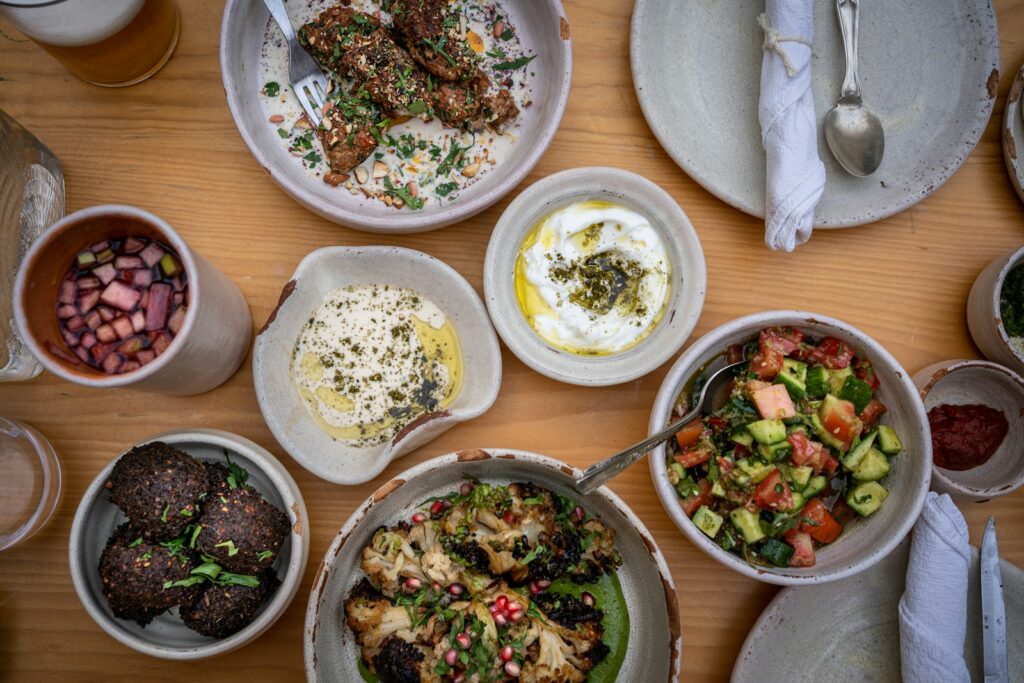
Stuffed grape leaves in olive oil allow the rice in the filling and the olive oil to fully integrate when rested in the refrigerator for a full 12 hours after reaching room temperature with the pot lid closed. The rice filling prepared with Tokat Erbaa grape leaves, pine nuts, currants, fresh mint, and allspice absorbs the olive oil as the pot cools. Opening the pot lid immediately after cooking causes the leaves to darken; therefore, keeping the lid closed until the pot cools and placing a porcelain weight over the leaves is recommended.
One of the common technical mistakes is serving stuffed grape leaves hot or warm. When you serve stuffed leaves hot, the olive oil drains from the surface of the leaf and accumulates at the bottom of the plate, leaving the rice filling with a mushy feel. During the 12-hour cold resting process, the olive oil assumes a dense, near-solid consistency, sealing the pores of the leaf and rice. When inviting guests to your table, you can present the stuffed leaves with circular lemon slices and fresh mint leaves by paying attention to table preparation and meze arrangement principles. Keeping the rested grape leaves at room temperature for about 20 minutes after taking them out of the refrigerator releases the full flavor of the olive oil.
Lemon and olive oil balance in artichoke and fava dishes
In olive oil artichoke and fava dishes, a cooling period of at least 6 to 8 hours is essential for the lemon-olive oil emulsion to settle and for the broad bean starch to firm up. In Aegean-style fava prepared by boiling and straining dried broad beans, the liquid structure that is fluid when hot reaches a sliceable density as it cools. During the resting process, the starch contained in the broad beans combines at a molecular level with the added extra virgin olive oil and freshly squeezed lemon juice, creating a smooth, creamy texture.
When preparing İzmir Çeşme or Aydın artichokes, the olive oil sauce gradually infuses into the fibers of the artichoke bottoms over time. To prevent the artichoke from darkening, lemon juice and a small amount of flour roux added to the cooking water preserve the texture of the vegetable throughout the 8-hour resting period. For gastronomy enthusiasts focusing on plant-based nutrition, these two mezes are traditional recipes entirely free of animal ingredients. If you wish to explore plant-based alternatives during your Historic Peninsula visits, you can learn about the nutritional values of olive oil dishes from our plant-based Turkish dishes guide. When serving fava, finely chopped red onion, plentiful dill, and extra virgin olive oil are added on top.
Sauce absorption time in şakşuka and pilaki
Barbunya pilaki (cranberry bean stew) and şakşuka require at least 8 hours of resting after cooking for the vegetables and tomato-garlic sauce to permeate one another. In Marmara-style barbunya pilaki, carrots, potatoes, garlic, and diced tomatoes cook over low heat in natural olive oil until tender. As the cranberry bean grains cool down after cooking ends, they absorb the aromatic tomato broth from the pot, gaining flavor without cracking.
In Aegean-style şakşuka, eggplants, zucchini, and sweet pointed peppers are fried in olive oil, after which warm tomato-garlic sauce is poured over them. Fried vegetables must rest at room temperature to absorb the sauce. Consuming şakşuka immediately after frying causes the vegetables to remain oily and fail to integrate with the sauce. In şakşuka rested in the refrigerator for at least 8 hours, the bitterness of the eggplant disappears completely and the natural acidity of the tomato softens. If you are curious about the historical background of cold recipes in Anatolian and Eastern Mediterranean tables, you can benefit from our study on Turkish meze varieties. Pilaki and şakşuka are completed with fresh parsley leaves when served.
Olive oil meze resting techniques and durations
The resting duration and serving temperature of an olive oil meze vary depending on the main ingredient and starch ratio of the meze. In mezes that are not rested for the correct duration, olive oil can separate or the flavor balance can be disrupted.
| Meze Name | Region / Style | Ideal Resting Duration | Serving Temperature | Key Technical Detail |
|---|---|---|---|---|
| Zeytinyağlı Yaprak Sarması | Aegean & Marmara | 12 Hours | 18-20°C | Cooled with pot lid closed to prevent leaves from darkening. |
| Ege Usulü Fava | North Aegean | 6-8 Hours | 15-18°C | Starch is expected to firm up and reach a sliceable consistency. |
| Zeytinyağlı Enginar | South Aegean | 8 Hours | 18°C | Lemon and flour roux is allowed to penetrate the bottom fibers. |
| Barbunya Pilaki | Marmara | 8-10 Hours | 18-20°C | Cranberry beans absorb the aromatic tomato liquid. |
| Klasik Şakşuka | Aegean | 8 Hours | 18-20°C | Fried vegetables are expected to form an emulsion with the tomato sauce. |
Olive oil selection in Aegean and Marmara meze culture
In Aegean and Marmara style mezes, cold-pressed extra virgin olive oils with an acidity level below 0.8% are preferred. The success of the resting process is directly related to the chemical and sensory quality of the chosen oil. North Aegean (Ayvalık and Edremit) olive oils stand out with grass and artichoke notes, achieving harmonious pairing with subtle flavors like grape leaves, fava, and artichokes.
South Aegean olive oils, due to their high polyphenol structure and slightly bitter-pungent character, can be preferred in şakşuka or garlic-infused olive oil sauces. A small amount of raw extra virgin olive oil drizzled over the dish after cooking adds freshness to the vegetables during the resting stage. Compared to yogurt-based or tahini-based recipes from the Mediterranean region, the Aegean and Marmara school keeps spice usage limited, bringing the pure fruitiness of olive oil to the fore. To learn the origin differences of Mediterranean and Anatolian mezes, you can check our Eastern Mediterranean meze traditions page. Properly prepared with the right olive oil, the dish’s oil solidifies after 12 hours of refrigerator resting, but regains its bright and translucent appearance once brought to room temperature.
Cold meze service on a terrace table in Sirkeci
In the Historic Peninsula, cold olive oil meze service is performed by taking dishes out of the refrigerator and allowing them to reach room temperature (around 18-20°C). When an olive oil dish near zero degrees straight from the fridge is eaten, the congealed structure of the oil coats the taste buds on the tongue, preventing the perception of the vegetable’s true aroma. Therefore, for an ideal presentation, it is essential to remove the dish from the fridge 15-20 minutes before serving.
Olive Anatolian Restaurant, located at Ebusuud Cad. No:12 in Sirkeci, is positioned 50 meters from the Gülhane tram stop. Operating within the Yaşmak Hotel Collection, the venue’s a la carte menu offered on its terrace overlooking the Bosphorus features 65 selection items, while a separate 23-item vegan menu is available for plant-based guests. The traditional 12-hour resting periods of olive oil dishes are meticulously observed in the preparation of the recipes. Explaining the technical processes applied in the kitchen, the Olive Anatolian team emphasizes their care for the freshness of seasonal vegetables and the acidity balance of olive oil. If you wish to stay within walking distance of Hagia Sophia and Topkapi Palace on your Historic Peninsula trip and experience the Ottoman atmosphere, you can choose the Hotel Yasmak Sultan property. If you are planning a plant-based dinner at the venue, you can examine the plant-based menu alternatives content. The restaurant is open every day from 12:00 until midnight, with the kitchen taking last orders at 22:30.
Olive oil meze preparation is a culinary discipline requiring correct timing and patience. By adhering to resting rules, you can capture the refined flavor balance of Anatolian cuisine on your table with Aegean and Marmara recipes.
Sık Sorulan Sorular
How many hours should olive oil appetizer varieties be rested after cooking?
To reach their full flavor and ideal consistency after cooking, olive oil appetizer varieties need to be rested in the refrigerator for at least 8 to 12 hours once they come to room temperature. During the resting period, the olive oil and vegetable juices blend together, completing the dish's aromatic profile.
Why shouldn't stuffed grape leaves in olive oil be served hot?
When stuffed grape leaves in olive oil are served hot, the olive oil in the filling drains from the leaf onto the plate, and the rice takes on a mushy texture. During the 12-hour cold resting process, the olive oil binds to the pores of the leaf and rice, giving the dish its ideal form.
Can artichokes in olive oil and fava be rested in the freezer?
Artichokes in olive oil and fava should not be rested in the freezer; the freezer environment destroys the cellular structure of the vegetables, causing them to become watery. To preserve the smooth texture of fava and artichokes, it is essential to rest them in the normal refrigerator compartment for 6 to 8 hours.
Are olive oil appetizers served immediately after being removed from the refrigerator?
Olive oil appetizers should not be served the moment they are removed from the refrigerator. For the solidified olive oil to melt and fully release its aroma, the appetizers should be taken out of the fridge 15 to 20 minutes before serving and allowed to reach room temperature (18-20°C).
Are there vegan olive oil appetizer options on the menu of Olive Anatolian Restaurant?
The menu of Olive Anatolian Restaurant includes a separate 23-item vegan menu specially prepared for plant-based guests. Artichokes in olive oil, fava, and stuffed grape leaves, cooked in the traditional Aegean and Marmara style, are presented on this menu with their natural ingredients.
Which type of olive oil should be preferred in Aegean-style olive oil appetizers?
Cold-pressed extra virgin olive oils with an acidity level below 0.8% are preferred in Aegean-style olive oil appetizers. While North Aegean olive oils are used in delicate olive oil dishes, South Aegean oils with high polyphenol content are preferred in sauced and garlic-based appetizers.
How can one reach Sirkeci Olive Anatolian Restaurant?
Olive Anatolian Restaurant is located at Sirkeci Ebusuud Caddesi No:12 and is approximately a 50-meter walk from the Gülhane tram stop. With its location within walking distance of historical landmarks such as Hagia Sophia and Topkapi Palace, it is easily accessible.
Where can one stay for a gastronomy-focused vacation in the Historical Peninsula?
For travelers wishing to stay close to the culinary spots and historical sites of the Historical Peninsula, Hotel Yasmak Sultan (hotelyasmaksultan.com), located in the Sirkeci district, is a comfortable and central accommodation alternative.
Executive Chef & Olive Culinary Team
Ottoman Palace & Contemporary Turkish Cuisine
Bringing together centuries-old Ottoman palace recipes and contemporary Turkish gastronomy at Olive Restaurant, overlooking the iconic historic skyline of Istanbul.
