


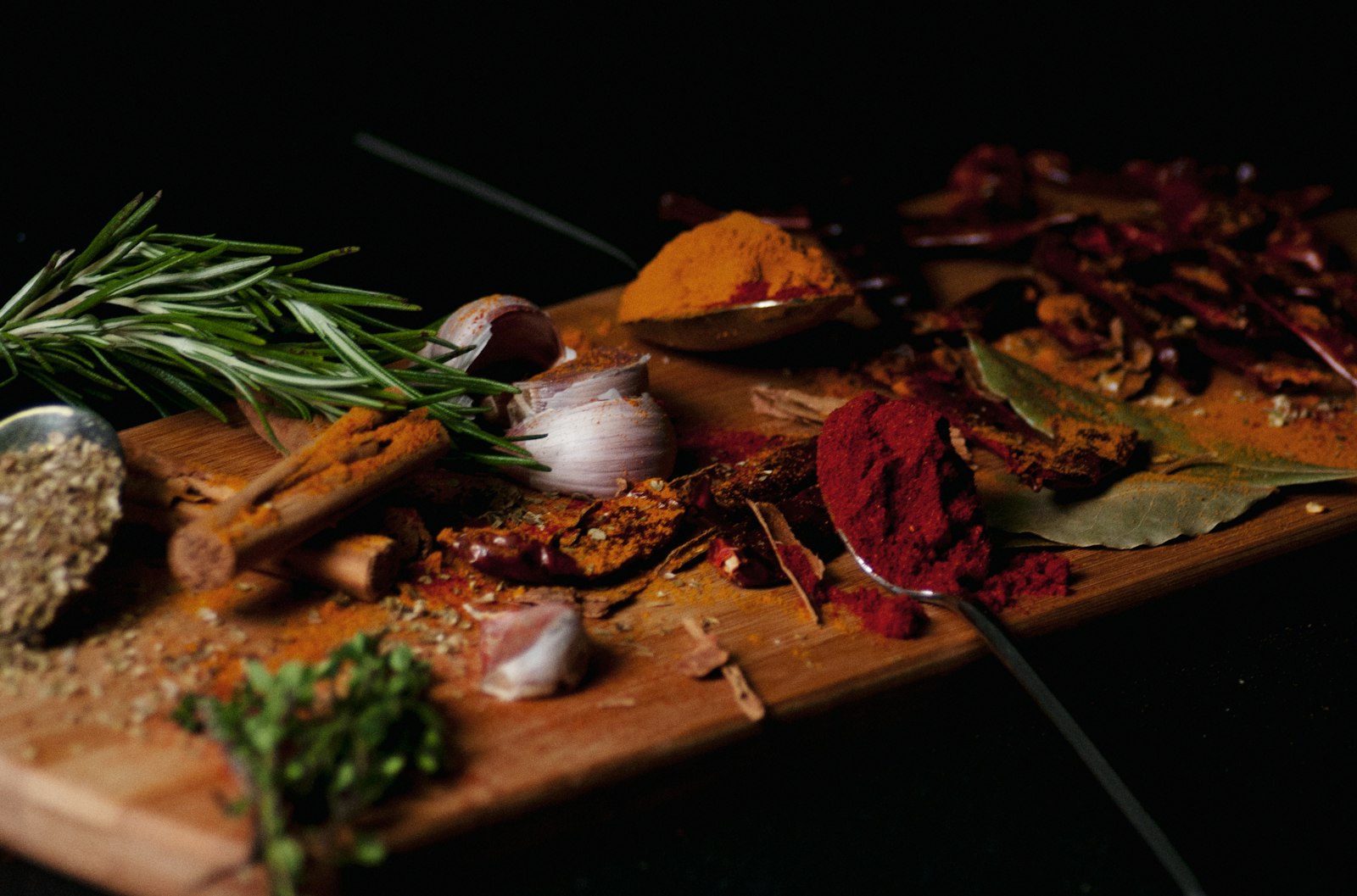
The Evolution of Spice Usage in Turkish Cuisine: From Caravan to Your Table
The rich spice culture in Turkish cuisine is rooted in global trade routes reaching Istanbul via the Silk and Spice Roads; this historical heritage is preserved today in modern dishes where Ottoman Palace Cuisine and Anatolian flavors are blended with refined techniques. Serving as a culinary bridge between East and West, this tradition continues to leave deep marks in the world of gastronomy.
Scents Reaching the Ottoman Palace from the Spice Road
The Spice Road established the fundamental flavor identity of the palace cuisine by carrying the East’s precious aromatic plants and scent sources for centuries to the ports of the Historic Peninsula, the heart of Istanbul. Precious ingredients such as nutmeg, cloves, coriander, cinnamon, and saffron, brought by merchants via caravans and ships, were processed in the historic inns of the Sirkeci and Eminönü axis before reaching banquet tables. This historical trade center of the city was not merely a point of commodity exchange, but also a vibrant culinary stage where the gastronomic habits of different cultures intersected.
The head chefs of the palace cuisine developed great mastery in combining these exotic ingredients from the Far East and South Asia with local produce. Every new ingredient carried by the caravans transformed in the hands of palace cooks into an element that enriched the aromatic structure of the pots. Saffron and cinnamon, used in special banquets reflecting the palace’s grandeur, found their place in a wide range of dishes, from rice pilafs to meat delicacies.
When you stand in the center of the Historic Peninsula, you can trace this fragrant heritage filtering down from centuries ago to the present day. Walking around Topkapı Palace or exploring the historic streets of Sultanahmet, it is possible to feel the texture of this deep-rooted past. If you wish to stay in the magical atmosphere of the region and experience the historical spirit uninterrupted, you can consider staying at Hotel Sultania (hotelsultania.com), which features a design inspired by palace architecture.
The Balance of Spices and Healing Touches in Palace Kitchens
The use of spices in Ottoman Palace Cuisine was planned to achieve a balanced flavor profile and a digestive, healing harmony, rather than overpowering the natural taste of the ingredients. Throughout history, spices were viewed not only as a way to flavor food but also as a means of preserving physical health through pastes and sherbets prepared under the supervision of the Chief Physician (Hekimbaşı). Fresh herbs, black pepper, and allspice, which highlight the natural flavor of meat, were used in moderation.
The balance of sour, sweet, and savory was meticulously crafted in Ottoman palace banquets. Cinnamon and mastic (gum arabic) used alongside dried fruits in meat dishes lent an elegant aroma to the plate while lightening the rich nature of the food. To examine the contemporary reflections of this palace culinary tradition, you can explore our Ottoman culinary selection and witness how the refined recipes of the past meet modern presentations.
This balanced understanding of flavor manifests not only in meat dishes but also in olive oil dishes and light vegetable courses. Ingredients like mint, dill, and pine nuts used in olive oil dishes, whose flavors settle as they rest, add freshness to the natural aroma of the vegetables. In the vegan and vegetarian alternatives featured on the menus, this traditional balance of herbs and spices is meticulously preserved, offering rich taste experiences to plant-based diners.
The Characteristic Role of Spices in Anatolian Flavors
Spices in Anatolian cuisine give a unique character to every dish, from soups to olive oil courses, by reflecting the climate and local culture of the geography where they grow. While the sun-dried chili flakes and smoky isot pepper of Southeastern Anatolia add depth to meat dishes, the wild thyme and rosemary of the Aegean coast bring the freshness of nature to grills and olive oil dishes. These local ingredients gathered from different regions of Anatolia also form the foundation of Turkish meze culture.
Spices on Anatolia’s rich meze tables serve the purpose of highlighting the main character of the ingredients. While the balance of mint and garlic comes to the fore in cold mezes prepared with strained yogurt, digestive-supporting flavors like cumin and sumac are preferred in legume- and vegetable-based spreads. This approach demonstrates how much Turkish cuisine values not only flavor but also a holistic nutritional balance.
This rich variety of Anatolian cuisine is a great source of inspiration for those seeking healthy and balanced nutrition today. For those following a gluten-free diet or preferring plant-based nutrition, meze alternatives enriched with grains, legumes, and fresh herbs offer highly satisfying options. This local diversity offered by the Anatolian geography creates an inclusive gastronomic richness that appeals to every palate.
Modern Interpretation of the Historic Spice Heritage at Olive Anatolian Restaurant
Olive Anatolian Restaurant offers an authentic and refined gastronomic experience in the Historic Peninsula by bringing together a centuries-old spice heritage with modern cooking techniques. At the restaurant located in the Sirkeci district, you can taste the deep-rooted flavors of Anatolia and the Ottoman palace against the backdrop of the Bosphorus, Hagia Sophia, and Topkapı Palace. Master chefs design dishes that meet today’s culinary standards by balanced use of spices, drawing inspiration from historical recipes.
While the restaurant’s menu features iconic classics like Hünkârbeğendi, which offers a magnificent harmony of roasted eggplant and slow-cooked meat, a rich variety of olive oil dishes and authentic mezes also accompany your culinary journey. For guests with special dietary needs, vegan, vegetarian, and gluten-free options are carefully marked on the menu, and the kitchen operates with sensitivity to prevent the risk of cross-contact. If you wish to discover special beverages to accompany your dining experience, you can sweeten your evening with the signature cocktail options offered at the restaurant.
Special events are also organized within the restaurant for gastronomy enthusiasts who wish not only to taste Turkish culinary culture but also to learn about its preparation processes. Thanks to the organized cooking workshops held under the guidance of chefs, you can find the opportunity to experience traditional meze making, spice balancing, and cooking techniques firsthand. In the table below, you can examine the qualitative comparison of culinary events, sightseeing routes, and menu concepts you can experience at the restaurant:
| Experience / Concept | Content and Focus | Highlights |
|---|---|---|
| Ottoman Palace Menu | Historical recipes, meat dishes, and spiced strained sauces | Refined presentation of traditional aromas |
| Anatolian Meze and Olive Oil Dishes | Seasonal vegetables, fresh herbs, and cold-pressed olive oil | Vegan, vegetarian, and gluten-free alternatives |
| Cooking Workshop (Cooking Class) | Interactive cooking and spice usage training guided by a chef | Hands-on kitchen experience and cultural transmission |
| Historic Peninsula Sightseeing Route Dinner | Dinner break after exploring Gülhane and Sultanahmet | Panoramic Bosphorus and historical texture views |
To spend an unforgettable evening in the Historic Peninsula where history and flavor meet, and to discover the fascinating story of spices on your plate, you too can reserve your table and step into a refined gastronomic journey in the heart of Istanbul.
Sık Sorulan Sorular
Where is Olive Anatolian Restaurant located and how can I get there?
Olive Anatolian Restaurant is located in the Sirkeci area of Istanbul's Historical Peninsula. Within walking distance of Sultanahmet and Gulhane Park, you can easily reach the restaurant via tram and Marmaray lines.
Are there cooking classes organized at the restaurant?
Yes, special cooking classes teaching Turkish and Anatolian culinary techniques are organized. Since participation is limited, it is recommended to make a reservation in advance.
Are there vegan, vegetarian, or gluten-free options on the menu?
Yes, the menu features a rich selection of olive oil dishes, mezes, and gluten-free Anatolian delicacies. While care is taken to prevent cross-contamination in the kitchen, you can inform the service staff of your sensitivities.
Do you serve alcoholic beverages and signature cocktails at the restaurant?
Yes, the restaurant menu offers local and international wine selections as well as signature cocktails that pair well with mezes and dishes. Beverage service is provided in accordance with legal regulations.
Is a Bosphorus view guaranteed for every table on the terrace?
Although the terrace area offers a wide panoramic view, table placement is arranged based on reservation status. You can request a specific table in advance.
Is it mandatory to make a reservation for the restaurant?
To ensure a smooth dining experience, especially during peak periods and for the terrace area, making a reservation in advance is highly recommended.
Is last-minute participation in cooking classes possible without a reservation?
Since classes are planned with specific group capacities, last-minute participation without a reservation cannot be guaranteed. You can get up-to-date availability information through official communication channels.
How are Ottoman palace cuisine delicacies presented on the menu?
Historical palace recipes are presented to guests with the refined and modern touches of our chefs, while preserving their traditional spice balance and cooking techniques.
Executive Chef & Olive Culinary Team
Ottoman Palace & Contemporary Turkish Cuisine
Bringing together centuries-old Ottoman palace recipes and contemporary Turkish gastronomy at Olive Restaurant, overlooking the iconic historic skyline of Istanbul.