

Anatolia’s Manti Map from Kayseri to Piruhi and the Rooftop Experience
Anatolian manti varieties are distinguished by dough thickness, filling ingredients, folding techniques, and cooking methods such as boiling, baking, or steaming. From Kayseri-style small minced meat bundles to palace doughs with tulum cheese, each region has reflected its geographical resources into its pastry culture.
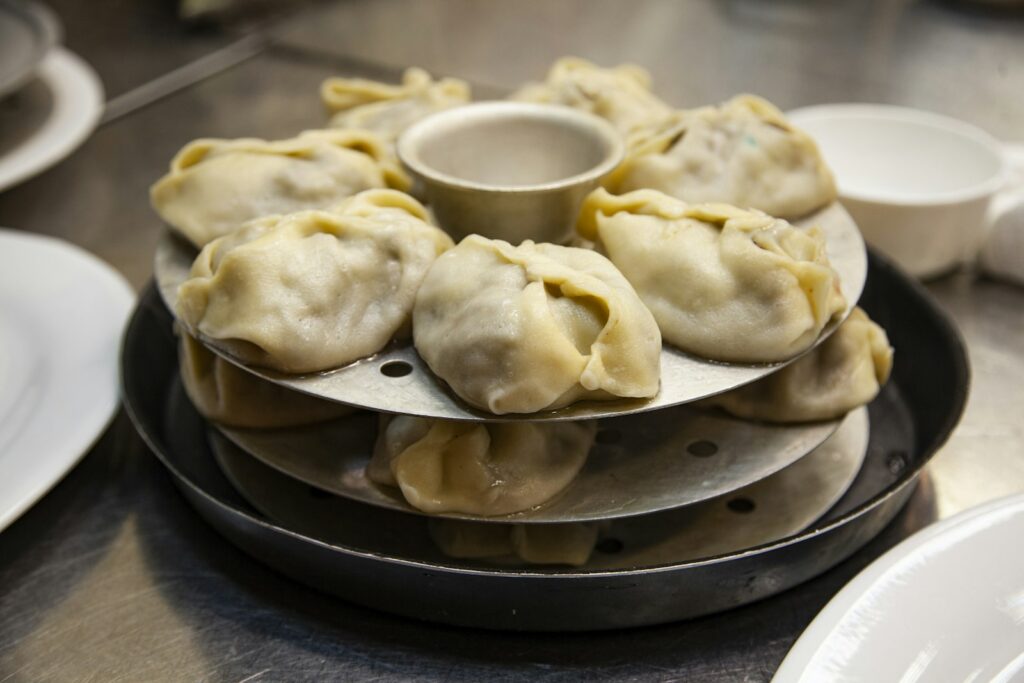
Spoon scale and folding technique of Kayseri manti
Kayseri manti is prepared by cutting rolled wheat flour dough into small squares, filling them with minced beef or lamb, onion, and black pepper, and sealing them from four corners. According to traditional standards, it is essential to fold them to a size where at least 40 pieces fit onto a single wooden spoon. The thinness of the dough and the precision of the bundle folding prevent the filling from leaking during cooking while ensuring the dough stays elastic without getting soggy.
Boiled in meat or bone broth for about 8 to 10 minutes, the dough bundles are plated before absorbing all the liquid. A portion of the cooking broth is added to the plate to achieve a soupy consistency. Crushed garlic yogurt, red pepper paste sizzled in butter, and sumac added on top balance the dense structure of the dough.
Although dough sizes increase in different regions of Anatolia, the main goal in the Kayseri technique is to achieve a balanced meat-to-dough ratio in every bite through tiny bundles. The amount of egg added to the dough is a critical component that prevents falling apart during boiling. Kneading flour, water, salt, and egg into a firm consistency determines the success of this folding style.
Ottoman palace heritage with tulum cheese Piruhi
Piruhi is a traditional palace pastry prepared with tulum cheese or curd cheese and parsley filling instead of meat, closed in an amulet or triangular shape. Developed as an alternative to meat dumplings in Ottoman palace cuisine, this recipe stands out with the thinness of its dough and the aroma of its cheese filling. Sizzling butter and roasted walnuts drizzled on top complement the acidic and salty flavor of tulum cheese.
Also documented in 16th-century sources, Piruhi is a key example of the diversity of pastries in palace cuisine. Today, gastronomy enthusiasts exploring Ottoman delicacies extending to palace cuisine in the Historical Peninsula can observe the refined balance of meatless dough dishes in this recipe. The moisture level of the cheese filling is carefully adjusted so the dough does not open while cooking.
For travelers who wish to explore palace culture and the historical atmosphere of Sultanahmet on-site, Ebusuud Avenue and nearby accommodation spots offer a strategic location. For accommodation experiences reflecting Ottoman architectural details, Hotel Sultania, located at Mehmet Akif Ersoy Sokak No:2, can be chosen.
The balance of yogurt and walnut sauces on manti
Sauces used in manti dishes are essential balancing elements that neutralize the starchy structure of dough and the fat content of the filling. Garlic yogurt cleanses the palate’s fat layer thanks to its lactic acid, while red pepper flakes and dried mint tossed in butter add heat and aroma. In Black Sea and Sinop regional examples, walnut kernels and melted butter are preferred directly instead of yogurt, creating a different flavor profile.
Along with traditional meat fillings, vegetarian variations filled with lentils, walnuts, or mushrooms hold a wide place on the Anatolian flavor map. Those who follow a plant-based diet or wish to try different dough alternatives can review the rich options in restaurant menus through the a la carte menu. Serving the yogurt at room temperature is a technical requirement to prevent suddenly dropping the temperature of the warm dough.
| Manti Variety | Dough and Folding Style | Filling Ingredients | Cooking and Sauce Technique |
|---|---|---|---|
| Kayseri Manti | Very thin, tiny square bundle | Minced beef/lamb, onion, black pepper | Boiled in water; garlic yogurt, tomato paste butter |
| Piruhi | Thin, triangular or amulet fold | Tulum cheese, parsley, walnut | Boiled; butter, roasted walnut kernels |
| Sinop Manti | Medium thickness, ear-shaped fold | Minced meat, onion, black pepper | Boiled; half garlic yogurt, abundant walnuts and butter |
| Tepsi / Nevsehir Manti | Square cut, open-top roll or bundle | Minced meat or lentil filling | Oven roasted, then simmered in meat broth |
Caramelizing the butter without burning during sauce preparation imparts a nutty aroma to the sauce. Spices such as red pepper flakes and sumac should be added after removing the butter from the heat, preventing the spices from burning and becoming bitter. Sauce and dough integration directly determines the overall quality of the dish.
Manti tasting on a scenic evening in Sirkeci
Located in Sirkeci, one of Istanbul’s historic residential areas, Olive Anatolian Restaurant presents the Anatolian pastry tradition in a rooftop terrace setting with Bosphorus views. Operating at Ebusuud Caddesi No:12, the venue is approximately 50 meters from the Gülhane tram stop. Following tours of Hagia Sophia and Topkapı Palace, you can visit the restaurant’s location in the Historical Peninsula to experience traditional recipes.
The kitchen of the venue is open daily between 12:00 and 00:00, with last dinner orders taken at 22:30. Alongside pastry dishes, the Olive Anatolian team recommends Turkish wines produced from local grapes with high acidity balance. Red wine varieties such as Kalecik Karası or Öküzgözü pair harmoniously with garlic yogurt and minced meat fillings.
Dinner services held on the restaurant’s rooftop area offer a wide tasting selection ranging from Kayseri manti to Piruhi alongside the Bosphorus skyline. Featuring a capacity to host up to 120 guests, the venue also organizes periodic culinary workshops to convey the technical details of Turkish culinary culture through hands-on experience.
Anatolia’s centuries-old pastry heritage transforms into a rich gastronomy experience when combined with the right techniques and authentic ingredients. Served in the heart of the Historical Peninsula, these recipes continue to bring together traditional flavors with a modern presentation approach.
Sık Sorulan Sorular
What is the main difference between Kayseri manti and Piruhi in Anatolian cuisine?
While Kayseri manti is stuffed with minced beef or lamb and folded into tiny bundles, Piruhi is prepared in a triangular shape filled with tulum cheese and parsley mixture. Kayseri manti is served with garlic yogurt and tomato paste sauce, whereas Piruhi is served with butter and walnuts.
Are there vegetarian or vegan manti alternatives at Olive Anatolian Restaurant?
Yes, in addition to traditional meat recipes, the restaurant offers plant-based and vegetarian pastry alternatives. You can review these options on the a la carte menu and the separate vegan menu.
What is the ideal cooking time for Kayseri manti?
Kayseri manti is cooked in boiling meat or bone broth for approximately 8 to 10 minutes. It is important not to exceed the cooking time so that the dough does not fall apart and remains firm.
How do you get to Olive Anatolian Restaurant in Sirkeci by tram?
Simply take the T1 Kabatas-Bagcilar tram line and get off at the Gulhane stop. The restaurant is located about 50 meters from the stop, at Ebusuud Caddesi No:12.
Which Turkish wine should be preferred with manti?
To balance the fat of the yogurt and minced meat filling, local red wines with a medium body and vibrant acidity, such as Kalecik Karasi or Okuzgozu, can be preferred.
Where can one stay with an Ottoman concept in and around Sultanahmet?
For Ottoman-themed accommodation in the Historical Peninsula area, Hotel Sultania, located on Mehmet Akif Ersoy Street in Sirkeci, can be preferred.
Until what time does the kitchen at Olive Anatolian Restaurant accept orders?
The restaurant serves daily between 12:00 and 00:00, with the kitchen accepting last orders at 22:30.
What is the cooking difference between tray manti and classic boiled manti?
While classic manti is boiled in water, tray manti is cooked in the oven or on the stovetop until the bottom browns, after which hot meat broth is added for it to absorb.
Executive Chef & Olive Culinary Team
Ottoman Palace & Contemporary Turkish Cuisine
Bringing together centuries-old Ottoman palace recipes and contemporary Turkish gastronomy at Olive Restaurant, overlooking the iconic historic skyline of Istanbul.