


Where to Eat After Visiting Topkapi Palace? The Table of the Sultans
After visiting Topkapi Palace, you can head to Olive Anatolian Restaurant, located at Ebusuud Cad. No:12 in Sirkeci, just 50 meters from the Gulhane tram stop, to try classic Ottoman palace dishes. At this terrace restaurant within the Yaşmak Hotel Collection, you can savor modern presentations of centuries-old recipes daily between 12:00 PM and midnight accompanied by views of the Bosphorus.
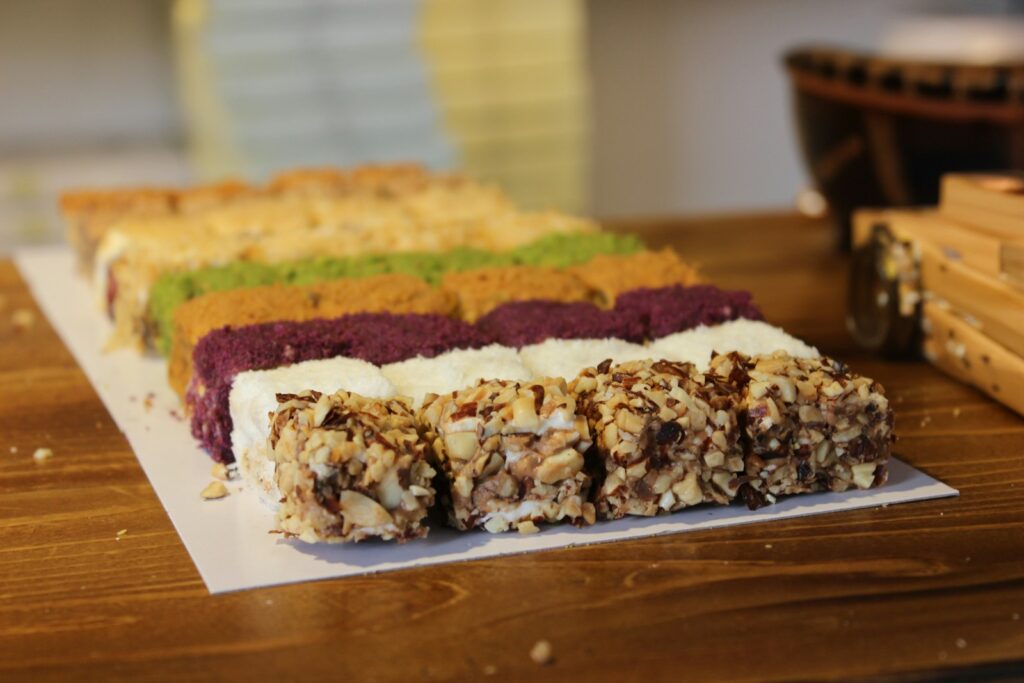
A Cultural Heritage Reaching the Table from Topkapi Palace
You can reach the restaurant in Sirkeci in about a 10-minute walk by leaving Topkapi Palace through the Imperial Gate (Bâb-ı Hümâyûn) and passing through Gulhane Park via Soğukçeşme Street. The Matbah-ı Âmire within the palace complex was a massive culinary organization where thousands of meals were cooked daily for sultans, harem members, and palace bureaucracy over centuries. Sections like the helvahane (sweet kitchen), kuşhane (special kitchen), and ağalar mutfağı (officers’ kitchen) operated here, each producing food according to a specific area of expertise. Today, this deep-rooted tradition continues at tables where historical recipes are formulated and brought together with modern presentation techniques. While planning your tour of the Historic Peninsula, you can structure your steps using our Historic Peninsula walking route guide.
Among the prominent stew and oven dishes of palace cuisine, Hünkârbeğendi ranks first, combining lamb and roasted eggplant. The beğendi bed, prepared by slowly roasting smoked eggplant with butter, flour, milk, and aged kaşar cheese, is topped with lamb cooked over low heat. Another important palace dish is Mahmudiye, a 15th-century classic dating back to the reign of Sultan Mehmed the Conqueror. Prepared by simmering chicken, honey, cinnamon, almonds, dried apricots, and lemon juice in a single pot over low heat, this dish serves as a concrete example of using sweet and sour flavors in meat dishes. The culinary team at Olive Anatolian carefully adheres to the ingredient proportions found in historical sources while preparing the 65 a la carte options on the menu. If you wish to explore the appetizers featuring crispy dough and local cheeses, you can review dish details in our content on palace cuisine classics.
The Balance of Spices and Natural Aromas in Palace Cuisine
In Ottoman palace cuisine, spices are not used to overpower the flavor of meat, but to establish a delicate balance between sweet, sour, and savory aromas. Instead of heavy sauces commonly seen in Western cuisine, natural ingredients from Eastern and Mediterranean trade routes such as mastic resin, saffron, cinnamon, coriander, sumac, and pomegranate molasses are used. For instance, in Mutancana, where lamb is enriched with damson plums, dried figs, and almonds, spices act not as the dominant element but as auxiliary flavor carriers highlighting the meat’s intrinsic taste. Mastic resin used in milk desserts and saffron favored in rice pilafs lend dishes distinct color and aroma in addition to flavor.
Beverage pairings served alongside meals are also an integral part of palace dining culture. Among the 133 items on the restaurant’s beverage menu, 44 wine selections stand out, 43 of which consist of dry and vintage options sourced from local vineyards across Turkey. Local wines produced from Elazığ’s Öküzgözü, Diyarbakır’s Boğazkere, Tokat’s Narince, Cappadocia’s Emir, and Ankara’s Kalecik Karası grapes create harmony with the spice balance of Anatolian cuisine. Full-bodied Boğazkere-Öküzgözü blends are preferred with red meat-heavy palace dishes, while Narince or Emir wines with high acidity offer a balanced sip alongside olive oil dishes and poultry.
| Dish Name | Main Ingredients | Flavor Profile | Dietary Suitability |
|---|---|---|---|
| Hünkârbeğendi | Lamb, roasted eggplant, butter, milk, aged kaşar cheese | Savory, smoky, creamy | Gluten-free option available |
| Mahmudiye | Chicken, honey, cinnamon, almonds, dried apricots, lemon | Sweet-sour, spiced | Gluten-free |
| Vişneli Yaprak Sarması | Grape leaves, rice, fresh sour cherries, pine nuts, currants | Fruity tart, herby | Vegan / Vegetarian |
| Mutancana | Lamb, damson plums, dried figs, almonds, honey | Sweet-savory, aromatic | Gluten-free |
| Zeytinyağlı Enginar | Artichoke bottom, carrots, peas, shallots, dill | Light, fresh, herby | Vegan / Vegetarian |
Vegan and Vegetarian Notes in Traditional Flavors
Palace and Anatolian culinary culture is not limited to meat dishes, possessing a wide variety of plant-based flavors thanks to its olive oil tradition. During the Ottoman era, the Olive Oil Dishes section of the palace kitchen relied on serving fresh vegetables grown in palace gardens cold, particularly during summer months. Contrary to the common misconception that olive oil dishes must be served hot right after cooking, when these dishes are rested at room temperature or cooled after cooking, the olive oil fully permeates the vegetables’ texture and the flavor balance settles. Among the authentic options on the menu served at the restaurant, both traditional meat stews and completely plant-based olive oil alternatives are available.
For guests who prefer a plant-based diet or follow a vegetarian lifestyle, a separate vegan menu consisting of 23 different items is available alongside adapted dishes from the a la carte menu. Vişneli yaprak sarması, wrapped in fresh grape leaves, is prepared with the tartness of fresh sour cherries and the aroma of pine nuts and currants. İmambayıldı, made with roasted eggplant, tomatoes, garlic, and olive oil, or zeytinyağlı enginar served in seasonal artichoke bottoms represent Anatolia’s plant-based culinary heritage. Guests with cross-contamination concerns or specific allergen sensitivities are advised to inform service staff at the ordering stage so that the kitchen team can take necessary precautions.
Palace-Themed Accommodation in Sultanahmet: Hotel Sultania
If you wish to carry the Ottoman palace aesthetic into your accommodation experience after a historical tour around Topkapi Palace and Sultanahmet, Hotel Sultania is an ideal choice. Located in Sirkeci, at the heart of the Historic Peninsula, the property draws attention with its boutique rooms designed with inspiration from the architectural texture of Ottoman valide sultans and harem culture. Combining wooden carvings, period-specific fabric details, and modern comfort elements, the hotel stands within walking distance of key historical landmarks such as Hagia Sophia, Topkapi Palace, and the Basilica Cistern.
For travelers who want to feel the details of Ottoman palace life during their stay, rooms at Hotel Sultania feature handmade details reflecting period architecture. As part of the Yaşmak Hotel Collection group, the property offers a practical transportation advantage to guests looking to rest after day-long historical tours and experience the atmosphere of the Historic Peninsula without interruption.
Gastronomy and Travel Tips in the Historic Peninsula
When planning your trip to the Historic Peninsula, completing museum visits in the morning and heading to the restaurant in the afternoon or evening is the most efficient method for time management. You can start exploring heavily visited museums like Hagia Sophia and Topkapi Palace around 09:00 AM and walk to Ebusuud Street in Sirkeci after 12:00 PM. The restaurant’s terrace area overlooks the Bosphorus and is especially favored by visitors wishing to watch the sunset in the evening hours. Table seating on the terrace is arranged according to general viewing angles, and since an unconditional Bosphorus view cannot be guaranteed for every table, stating your open-air preference in advance when making a reservation is helpful.
For gastronomy enthusiasts who want to learn Turkish cooking techniques beyond simply dining, a two-hour Cooking Workshop is organized. Held under the guidance of chefs, the preparation stages of Ottoman palace cuisine and Anatolian dishes are taught hands-on during these workshops. Additionally, classic and signature drink recipes can be experienced in the Cocktail Workshop conducted with the bar team. Reservations must be made in advance for group events, private gatherings, and workshops for up to 120 people. Since the kitchen accepts last orders at 22:30, time intervals should be kept in mind when planning dinner.
To try authentic palace recipes, explore a rich wine selection, or unwind against terrace views along the historical axis extending from Topkapi Palace to Sirkeci, you can add Olive Anatolian Restaurant to your itinerary.
Sık Sorulan Sorular
Where can you eat Ottoman cuisine near Topkapı Palace?
You can experience traditional Ottoman palace cuisine at Olive Anatolian Restaurant, located at No:12 Ebusuud Street, Sirkeci, about a 10-minute walk from Topkapı Palace. Situated 50 meters from the Gülhane tram stop, the venue offers classic recipes such as Hünkârbeğendi and Mahmudiye.
What are the operating hours of Olive Anatolian Restaurant?
The restaurant is open every day of the week from 12:00 PM to 12:00 AM. However, the kitchen team accepts last food orders at 10:30 PM. Prior reservation is recommended for terrace use during sunset hours.
Are there vegan or vegetarian options on the restaurant's menu?
Yes, the restaurant has a special vegan menu consisting of 23 different items. Plant-based delicacies from Anatolian olive oil cuisine, such as stuffed grape leaves with sour cherries, İmambayıldı, and artichokes in olive oil, are featured on this menu.
How do you get to Olive Anatolian Restaurant by tram?
You need to take the T1 Kabataş-Bağcılar tram line and get off at the Gülhane tram stop. After exiting the stop, walk about 50 meters towards Ebusuud Street to reach the restaurant at No:12.
Where to stay during a trip to Topkapı Palace and Sultanahmet?
For travelers who want to experience the Ottoman palace concept during their stay, Hotel Sultania, located in the Sultanahmet and Sirkeci area, is an ideal choice. The property is within walking distance of historical museums and offers boutique rooms reflecting palace architecture.
Which local wines are preferred alongside palace cuisine dishes?
The restaurant's beverage menu offers 44 wine options, 43 of which are domestic. Elazığ Öküzgözü or Diyarbakır Boğazkere wines pair well with meat palace dishes, while Tokat Narince or Cappadocia Emir wines complement olive oil dishes.
Is a reservation required to participate in cooking workshops?
Yes, prior reservation is mandatory to participate in the Cooking Workshop and Cocktail Workshop events, which last approximately two hours. In the workshops, traditional recipes are prepared hands-on accompanied by chefs.
Are there gluten-free food alternatives at the restaurant?
Yes, among the 65 food items on the a la carte menu, those prepared gluten-free are marked with special symbols. However, guests with allergies are advised to inform the waiters when ordering due to the risk of cross-contamination in the kitchen area.
Executive Chef & Olive Culinary Team
Ottoman Palace & Contemporary Turkish Cuisine
Bringing together centuries-old Ottoman palace recipes and contemporary Turkish gastronomy at Olive Restaurant, overlooking the iconic historic skyline of Istanbul.