

Native Grapes of Anatolia: Turkish Wine Pairing Guide on the Terrace
Wines produced from native Anatolian grape varieties are served by pairing the grape’s acidity, tannin, and body structure with the dish’s fat ratio, cooking technique, and spice balance. For example, high-acidity Narince and Emir grapes are balanced with olive oil dishes, while Boğazkere with its pronounced tannin structure and Öküzgözü with its lively fruit notes complement red meat and oven-roasted dishes. Proper pairing highlights both the layered aromas of the meal and the terroir character of the grape.
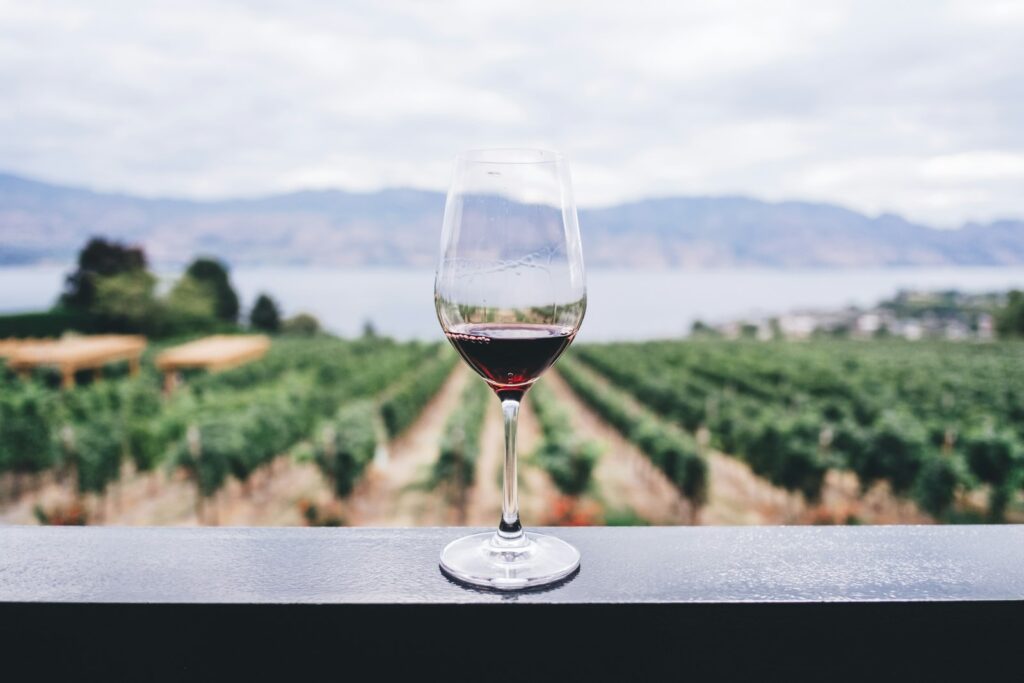
Öküzgözü and Kalecik Karası Pairing with Red Meat
Öküzgözü and Kalecik Karası grapes, with their balanced acidity and medium-bodied structure, perfectly balance the fibrous texture and fat content of red meat dishes. Native to the Elazığ region of Eastern Anatolia, Öküzgözü stands out with its high acidity, damson plum, and sour cherry aromas, while Kalecik Karası, originating from the Kalecik district of Ankara, offers silkier tannins, soft red fruit notes, and subtle spice. When you choose a fatty or oven-roasted red meat plate, you can refresh the richness left on the palate with the vibrant acidity of these grapes.
In our traditional cuisine, dishes such as Hünkârbeğendi—lamb served over a bed of roasted eggplant puree—or slow-cooked Beef Cheek (Dana Yanağı) create a balanced tasting profile when paired with Öküzgözü wines. The buttery and milky elements in the dish’s sauce do not create heaviness on the palate thanks to Öküzgözü’s lively fruit acidity. Kalecik Karası, on the other hand, achieves complete harmony with oven-baked grilled meatballs, tenderloin slices, or lightly spiced lamb cutlets (kuzu külbastı). Kalecik Karası’s elegant tannin structure accompanies the meal without overpowering the natural juices and flavor of the meat.
If you would like to closely examine the historical background and production details of these rich grape varieties mentioned in the text, you can check out our Turkish wine guide content on our site. The fundamental rule in wine and meat pairing is to lean toward wines with darker fruit character as the cooking time of the dish increases and its sauce becomes more concentrated. The Olive Anatolian team prepares service recommendations by paying close attention so that fresh herbs used in the kitchen do not clash with secondary aromas in the glass.
Pairing Narince and Emir Grapes with Olive Oil Dishes
White wines produced from Narince and Emir grapes complement the aromatic balance of olive oil dishes (zeytinyağlılar) thanks to their high acidity and crisp mineral structures. Narince, the symbol of the Tokat region, stands out with aromas of citrus, green apple, and white flowers, as well as a creamy texture it can acquire through oak contact. Emir, grown in the volcanic soil of Cappadocia, offers apple, pear, and a distinct mineral freshness, leaving a very dry and crisp sensation on the palate.
Cold-served Anatolian delicacies such as olive oil artichoke, stuffed grape leaves (zeytinyağlı yaprak sarması), green beans, and imambayıldı contain the richness of extra virgin olive oil alongside lemon and spice acidity. The mineral-heavy high acidity of the Emir grape cleanses the oily layer left on the palate by the olive oil, providing a fresh taste perception with every bite. Narince, especially with oak-aged reserve examples, pairs well with the spiced and slightly sweet notes in the filling of pine nut and currant stuffed grape leaf dolmas.
If you adopt a plant-based diet or are curious about the plant-based options on the menu, you can examine our vegan traveler guide article to learn the details of Anatolian olive oil cuisine culture. Adding a glass of Narince or Emir when selecting your olive oil platter from the a la carte menu will exponentially increase the aromatic power of fresh herbs. When the serving temperature of the meal at 12-14 degrees Celsius combines with the coolness of white wine, a refreshing experience on the terrace is achieved.
Boğazkere Grape’s Full-Bodied Structure and Suitable Grilled Dishes
Boğazkere is the native red grape that achieves the best pairing with richly spiced and fatty grilled meats, owing to its high tannin level, dark red fruit aromas, and robust body. Grown in the continental climate of Diyarbakır and the Southeastern Anatolia region, Boğazkere takes its name from the astringent and powerful tannic sensation it leaves in the throat. When aged in oak barrels, this grape acquires notes of tobacco, leather, licorice, and black pepper, maintaining a balanced stance without getting lost under dominant dishes.
Wood-grilled lamb chops, lamb skewers, and Adana kebab, which contain high fat content and dumanly aromas, achieve full integration with Boğazkere’s notable strong tannins. The protein structure of the meat softens Boğazkere’s high tannins, bringing out the wine’s fruity character. Furthermore, oven-baked and rested meat dishes like Sultan Kebab, featured in our menu from deep-rooted traditional recipes in Ottoman palace cuisine, are also highly suitable for pairing with full-bodied reserve Boğazkere wines.
When the balance between the wine’s full body and the dish’s spice density is not correctly established, the wine can overwhelm the meat’s flavor or the meat can make the wine taste bitter. Boğazkere should be served at its ideal consumption temperature of 16-18 degrees Celsius and, if necessary, aerated 30-45 minutes before service. The grilled pepper and tomato garnishes alongside grilled meats also work in harmony with the wine’s smoky notes.
Terrace Wine Service and Proper Tasting Tips
Proper wine service on the terrace encompasses maintaining ideal serving temperatures, selecting glasses according to the serving order of dishes, and adequately aerating the wine. In Sirkeci, Istanbul, while having dinner accompanied by historical walls and the Bosphorus view, the outdoor temperature can quickly alter the temperature of the wine in the glass. For this reason, the amount poured into the glass should be kept limited, and the bottle should be kept in temperature-retaining buckets.
When starting a meal, sparkling or dry white wines should be preferred first, followed by rosé or light-bodied reds, and finally full-bodied reds and sweet wines. Transitioning from fresh starters reminiscent of early daytime flavors to dinner, the sequence of flavors on the table directly affects the wine balance. Much like the rich cheese platter concept in breakfast culture, cold appetizers and meze platters at the start of dinner should be paired with light-bodied wines. Regarding this topic, you can get ideas about the flavor profiles of cheese and charcuterie varieties from our traditional Turkish breakfast content.
To access the detailed list of 44 local wine options available at the restaurant and other alcoholic or non-alcoholic alternatives, you can visit our beverage menu page. In wine tasting, color clarity is inspected first, then the glass is gently swirled to release aromas, and the balance of acidity and tannins is checked on the first sip.
| Grape Variety | Character / Body | Ideal Serving Temperature | Matching Anatolian Dishes |
|---|---|---|---|
| Narince | White / Citrus aromas, medium body | 10 – 12 °C | Olive Oil Stuffed Leaves, Artichoke, Sea Bass Marinade |
| Emir | White / High acidity, dry and mineral | 8 – 10 °C | Olive Oil Imambayıldı, Fresh Herb Mezes |
| Kalecik Karası | Red / Silky tannins, red fruits | 14 – 16 °C | Grilled Meatballs, Lamb Cutlet, Mushroom Sauté |
| Öküzgözü | Red / Vibrant acidity, damson plum | 16 – 17 °C | Hünkârbeğendi, Beef Cheek, Stew |
| Boğazkere | Red / Strong tannins, dark fruits, oak | 16 – 18 °C | Lamb Chops, Adana Kebab, Baked Lamb |
At our venue located in Istanbul’s Historical Peninsula, 50 meters from the Gülhane tram stop, our kitchen receives final orders at 22:30 during service hours that run from 12:00 noon until midnight daily. At our restaurant on Ebusuud Street in Sirkeci, you can discover local wines coming from Anatolia’s deep-rooted vineyards alongside traditional recipes against the Bosphorus panorama. If you are planning a romantic stay and gastronomy vacation amidst historical texture, you can complete your trip by choosing Romance Istanbul Hotel, which stands out with its enchanting atmosphere in the area. We recommend reserving a table in advance through our contact channels.
Sık Sorulan Sorular
Which meat dishes pair well with Anatolian native red wines?
Öküzgözü pairs perfectly with Hünkârbeğendi and roasted meats due to its lively acidity; Kalecik Karası pairs with grilled meatballs and beef tenderloin thanks to its elegant tannins; while high-tannin Boğazkere pairs excellently with fatty and smoky grilled meats like lamb chops and Adana kebab.
Which white wines should be preferred alongside Turkish olive oil dishes?
For dishes such as olive oil artichokes, stuffed grape leaves, and imambayıldı, dry white wines made from Cappadocia's highly mineral Emir grape or Tokat's citrus-aromatic Narince grape should be preferred.
How many varieties of local wines are available on the menu of Olive Anatolian Restaurant?
Among a total of 133 beverage options on the restaurant's drink menu, there are 44 different wine varieties, 43 of which are selected from Turkey's local vineyards.
At what temperature should local red wines be served on the terrace?
Light red wines such as Kalecik Karası should be served at 14-16 degrees Celsius, while Öküzgözü and full-bodied Boğazkere wines should be served at a temperature range of 16-18 degrees Celsius.
Which wines can be paired with vegan and vegetarian Turkish dishes?
While dry Emir and Narince white wines pair well with plant-based olive oil dishes and appetizers, light-bodied Kalecik Karası wines can be preferred with warm vegan dishes featuring mushrooms or lentils.
What time does the kitchen close for dinner and wine service on the terrace?
The restaurant is open every day from 12:00 to 00:00 midnight. To ensure smooth operation of the a la carte menu and wine service, the kitchen accepts last orders at 22:30.
Where can one stay after a romantic dinner during a tour of the Historic Peninsula?
Romance Istanbul Hotel, located within walking distance of the restaurant in Sirkeci and offering comfortable accommodation, is an ideal venue for romantic couples and travelers.
How can one access the terrace and make a reservation at Olive Anatolian Restaurant?
Located at Sirkeci Ebusuud Caddesi No:12, you can reach the venue by walking 50 meters from the Gülhane tram stop, and you can reserve a table in advance via the website or phone.
Executive Chef & Olive Culinary Team
Ottoman Palace & Contemporary Turkish Cuisine
Bringing together centuries-old Ottoman palace recipes and contemporary Turkish gastronomy at Olive Restaurant, overlooking the iconic historic skyline of Istanbul.