


The Secret of Baklava: The Journey of a Dessert from the Ottoman Palace Kitchen to the Streets
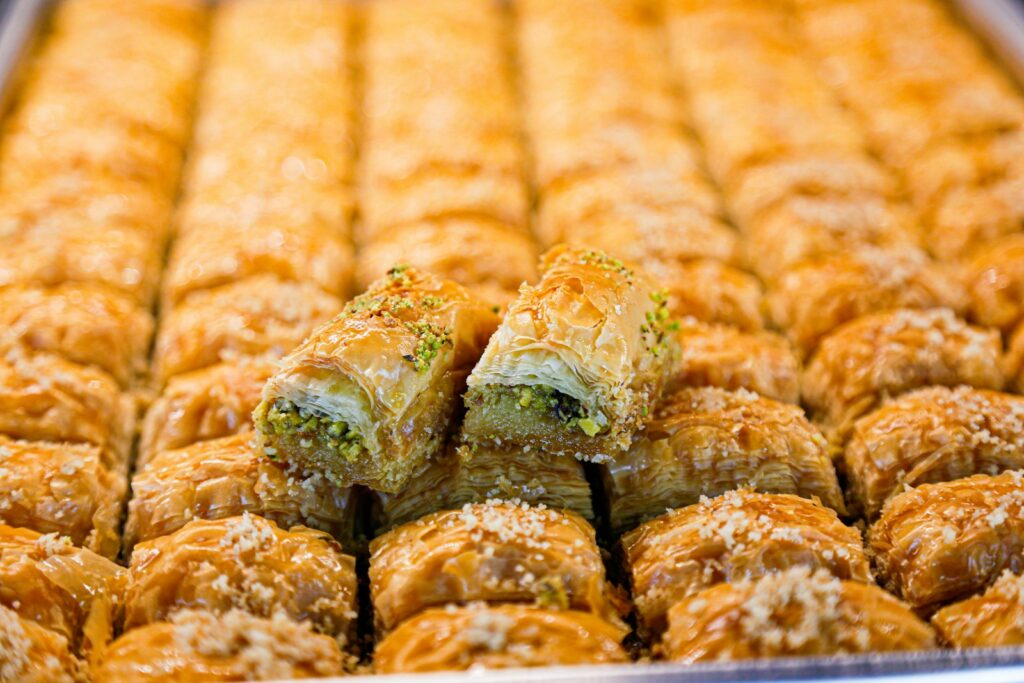
Baklava has reached the present day through the transition of an elegant tradition of craftsmanship, shaped in the Ottoman palace kitchen as a symbol of royal feasts, carried by artisans to the city and later to modern restaurant kitchens. Maturing in the deep-rooted culinary culture of Topkapı Sarayı since the 15th century, this unique dessert has preserved its authentic identity and become a respected delicacy in the international gastronomic world, thanks to the art of rolling out paper-thin layers of dough passed down from generation to generation through master-apprentice relationships.
The Grand Heritage of Palace Cuisine: The Origins of Baklava
Baklava developed within the Ottoman Saray Mutfağı not merely as a dessert, but as a strategic treat symbolizing the grandeur and elegance of the empire. The artisans of the Matbah-ı Âmire within Topkapı Sarayı developed special rolling pins and techniques to roll the dough as thin as a veil. The tradition of the Baklava Alayı, held during Ramadan celebrations within the palace, turned into a magnificent ceremony showcasing the value the sultan placed on his soldiers and public. Every year, in the middle of Ramadan, hundreds of trays of baklava prepared in the palace kitchens were presented to the Janissaries in a grand ceremony.
According to palace records, the perfection of the flavor was directly related to the regional quality of the ingredients used. It was prepared by combining fresh pistachios from Gaziantep, pure clarified butter sourced from the Harran Plain, and special wheat flour. The number of layers in baklava symbolized the skill of the master who prepared it and the wealth of the host. If you want to experience the atmosphere of the Tarihi Yarımada up close and stay in an environment adjacent to the living spaces of Ottoman sultans, you can consider the accommodation options offered at Hotel Sultania.
When exploring traditional Turkish dessert rituals, it is highly important to understand the distinct preparation differences between pastry desserts with syrup and milk-based desserts. If you wish to discover the preparation nuances of these two different dessert groups, you can examine our detailed guide on the difference between Turkish desserts. This historical accumulation has elevated baklava far beyond a simple pastry, making it one of the most refined culinary monuments of Ottoman palace culture.
The Art of Layering: Tips and Preparation Secrets
The secret to preparing authentic baklava lies in blending dozens of layers of phyllo dough rolled out with the help of starch until they become almost transparent. In a classic palace baklava, at least forty layers of phyllo are stacked on top of each other, with melted pure clarified butter drizzled between every single layer. The thinness of the phyllo allows hot air to circulate between the layers during baking, giving the dessert its characteristic crunch.
The key secrets and tips observed during the preparation process include:
- Consistency and Rolling of the Dough: The dough, kneaded with hard wheat flour, egg, and water, is rested and then rolled out using rolling pins made of hardwood while dusting with starch. The phyllo sheet is expected to be so thin that a person looking through it can clearly see objects on the other side.
- Butter Choice and Drizzling Method: The clarified butter used in baklava must be pure milk fat, completely cleared of foam and dregs. The temperature of the butter is carefully balanced so as not to ruin the delicate texture of the phyllo.
- Balance of the Filling: High-quality green pistachios or fresh walnuts are spread evenly across the middle layers of the dough. The oven temperature is controlled gradually to prevent the filling from burning or turning bitter.
- Syrup Shocking: Pouring warm or hot syrup over hot baklava straight from the oven is a process that requires true mastery. The consistency of the syrup is meticulously monitored to prevent the pastry from becoming soggy and losing its crispness.
In Ottoman culinary culture, vegetable-centered balanced recipes also held a significant place alongside rich meat dishes and syrupy desserts. Zeytinyağlı Yemekler are among the most elegant elements of our culture, and serving these dishes at room temperature or slightly rested—rather than hot right after cooking—ensures the flavors settle perfectly. On the Olive Anatolian Restaurant menu, alongside traditional classics containing animal products, carefully prepared Vegan Anadolu Lezzetleri are also offered for guests who prefer a plant-based diet.
A Flavor Transcending Palace Walls: From Streets to Modern Presentations
The tradition of baklava, shaped in the palace kitchens, spread to the bazaars, inns, and mansions of Istanbul starting from the 19th century, becoming an indispensable part of the city’s culture. Dessert shops opening around Kapalıçarşı and in the guilds of Sirkeci brought the recipes of the palace masters to the public. Thus, baklava transformed into the most enticing treat for special celebrations, wedding feasts, and holiday visits.
In the modern gastronomic approach, baklava is integrated into refined restaurant experiences through contemporary presentations while preserving its traditional structure. Today, alongside classic syrup-drenched baklavas, presentations with lighter syrup ratios, clotted cream made from water buffalo milk, and combinations with ice cream are highly preferred. If you want to discover the historical feast dishes on our menu, you can take a look at our article on the modern reflections of Ottoman cuisine.
In the table below, you can find a qualitative comparison of the culinary and cultural activities you can experience in the Historical Peninsula:
| Experience Type | Content Summary | Estimated Duration | Highlights |
|---|---|---|---|
| Traditional Cooking Workshop | Hands-on practice of Ottoman and Anatolian mezes, olive oil dishes, and pastry techniques | 2 – 3 Hours | Hands-on culinary training and chef guidance |
| Historical Peninsula Walking Route Experience | History tour around Topkapı Sarayı, Ayasofya, and Gülhane Parkı | 3 – 5 Hours | Outdoor historical and architectural discovery |
| Gourmet Anatolian Tasting Menu | Hünkârbeğendi, Ottoman palace dishes, and special mezes | 1.5 – 2.5 Hours | Refined dinner and Bosphorus view |
| Traditional Dessert and Tea Ritual | Hand-rolled baklava varieties, Turkish coffee, and specially brewed teas | 45 – 60 Minutes | Authentic dessert experience and a relaxing break |
If you have any questions about our restaurant’s menu structure and the selection of palace dishes, you can learn the details by visiting our informative page titled palace dining traditions. These flavors, combining historical texture with modern presentation, build a bridge between the past and the present.
A Sweet Finale Against a Unique View on the Olive Anatolian Terrace
Located in the Sirkeci area where you can feel the ancient soul of Istanbul, Olive Anatolian Restaurant offers its guests an unforgettable gastronomic experience in its Historical Peninsula rooftop location. After completing your walking routes around Topkapı Sarayı, Ayasofya, and Gülhane Parkı during the day, you can move to the terrace area of our restaurant in the evening to unwind against the view of the İstanbul Boğazı.
Following the main courses of traditional Anadolu Mutfağı and palace classics like Hünkârbeğendi, hand-rolled baklava served alongside Turkish coffee provides the perfect finale. Our restaurant aims to appeal to every palate by offering a rich variety of mezes, gluten-free alternatives, and plant-based options. Our Yemek Atölyesi events, organized for food enthusiasts curious about the nuances of cooking, offer the opportunity to experience Turkish culinary culture firsthand. By taking your place in this special venue where history, scenery, and refined flavors meet, you can crown your Istanbul trip with a sweet memory.
Sık Sorulan Sorular
Is it necessary to make a reservation before going to Olive Anatolian Restaurant?
It is highly recommended to make a reservation before you go, as the restaurant can get busy, especially during dinner hours and in the terrace area. You can submit your reservation requests via the contact form on our website or through our telephone lines. The property's current reservation policy applies to cancellation and modification processes.
How can I get to the restaurant located in the Historical Peninsula?
Our restaurant is located in the Sirkeci area, within a short walking distance of Sultanahmet and the tram station. You can easily reach us by public transportation using the T1 Kabataş-Bağcılar tram line or the Marmaray Sirkeci station. Since street parking can vary due to the historical texture when coming by private car, public transportation or nearby parking lots should be preferred.
Are there vegan and gluten-free dessert or meal options on the menu?
Yes, our restaurant's extensive menu includes dishes with olive oil, special vegetable dishes, and gluten-free Turkish cuisine and vegan alternatives suitable for special dietary requirements. However, we would like to remind you that since different products are prepared in the same area in our kitchen, absolute cross-contamination-free status cannot be guaranteed for allergen ingredients.
Is last-minute participation possible for the organized cooking workshops?
Since our cooking workshops are planned with specific capacities and preparation times, last-minute participation without a reservation cannot be guaranteed. It is important to register before the event date to comply with the workshop schedule and secure your spot.
Is a table with a Bosphorus view guaranteed on the terrace of Olive Anatolian Restaurant?
Although our terrace area has a wide panorama of the Bosphorus and the Historical Peninsula, an unconditional Bosphorus view seating guarantee is not provided for all tables. Table arrangements are organized according to the order of reservation and daily occupancy.
Which main courses from Ottoman palace cuisine are offered at the restaurant?
Our menu features exquisite recipes reflecting the Ottoman Palace Cuisine tradition, such as Hünkârbeğendi (Sultan's Delight), feast dishes with lamb, and fruit and meat combinations. The menu content may show seasonal updates depending on the supply of seasonal ingredients.
Is alcoholic beverage service available at the restaurant, and is there an age limit?
Our restaurant offers a rich local and international beverage menu to accompany your meals. Our alcoholic beverage service is carried out in full compliance with legal regulations and official age limit rules.
How do the cooking workshop reservation cancellation or refund processes work?
Workshop cancellation and refund processes are carried out within the framework of our official cancellation policy specified at the time of reservation. When you notify us in advance of situations where you cannot participate, your request is evaluated according to the property's reservation conditions.
Executive Chef & Olive Culinary Team
Ottoman Palace & Contemporary Turkish Cuisine
Bringing together centuries-old Ottoman palace recipes and contemporary Turkish gastronomy at Olive Restaurant, overlooking the iconic historic skyline of Istanbul.