


Rakı Table Guide: Which Meze Pairs with Which Rakı?
Rakı and meze pairing is based on the principle of serving mezes gradually according to the anise ratio, grape variety, aging duration, and the fat-to-acid balance of the dish. On a traditional çilingir table, the flavor journey begins with neutral and lightly chilled mezes, moves on to acidic and sour notes, and concludes with hot seafood and offal dishes.
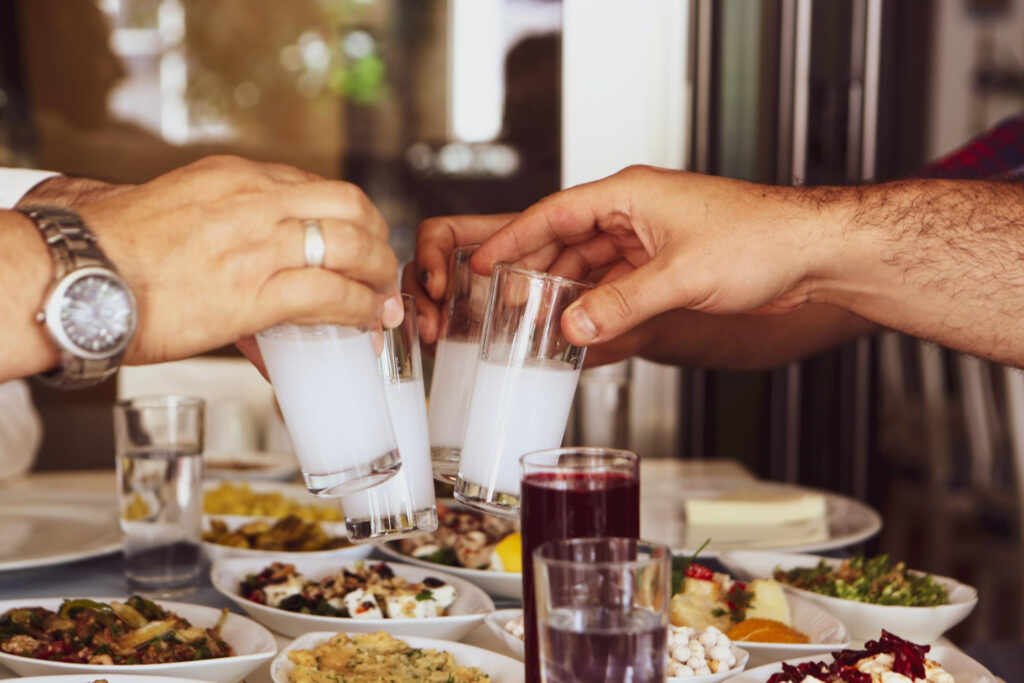
The Rhythm of the Çilingir Table and the Order of Mezes
The flow of flavors at a çilingir table always moves from light cold mezes to rich hot mezes to avoid tiring the palate and to complement the dominant anise aroma. Ezme, fava, and yogurt-based varieties are brought to the table first, served at room temperature or lightly chilled. To soften the high alcohol and anise intensity during the first glasses, fatty and protein-rich plates are preferred. Paying attention to the rules of meze serving order directly influences the rhythm of the table for a well-planned service.
The serving temperature of rakı and its water-to-ice balance also alter how mezes are perceived. Adding equal amounts of cold water to rakı, typically cooled between 8-10 degrees Celsius, allows the anise crystals to dissolve and release aromatic oils. Dropping ice directly into rakı instead of adding it after cold water causes the anise to shock and crystallize, creating a bitter layer at the top of the glass. Taking small sips from the glass while consuming cold mezes cleanses the fat layer on the palate, enhancing the flavor of the next dish.
In the second stage of the serving sequence, dishes featuring acid and spice balance come to the forefront. Stuffed vine leaves cooked in olive oil, lakerda (salted bonito), marinated fish, and herbs seasoned with vinegar join the table. Consuming acidic foods at this stage facilitates digestion and prevents palate fatigue. Following a cold meze phase of approximately 45-60 minutes, transitioning to hot mezes served on warmed plates offers ideal timing.
Classic Pairings: Feta Cheese, Melon, and Cold Mezes
The combination of fresh grape rakı, firm aged sheep or goat cheese matured for at least 6 months, and sweet-textured melon serves as the most fundamental starting pair that balances the sharp bite of anise. The high milk fat content in the cheese softens the heat of the alcohol, while the melon’s natural sugar and high water content maintain freshness on the palate. Full-fat Ezine cheese or aged Kars gravyer pair harmoniously with göbek rakı or double-to-triple distilled high-proof series.
Yogurt and roasted vegetable-based recipes hold an important place in the cold meze category. Dishes prepared with roasted eggplant, strained yogurt, and garlic like haydari or mutabbal neutralize the spicy structure of anise. Hummus made with chickpeas, tahini, and cumin highlights the fruity notes in fresh grape rakıs. To explore different regional flavor profiles, you can consult the guide on traditional cold meze varieties.
When it comes to olive oil dishes, temperature and ingredient quality are decisive. Artichokes, fava, or baked red pepper marinades cooked slowly over low heat with cold-pressed extra virgin olive oil create complex flavor profiles when served alongside golden oak-aged rakıs with woody notes. Fresh dill and red onion added atop broad bean fava elevate its earthy flavor, merging with the refreshing effect of anise.
Compatibility of Seafood and Hot Mezes with Rakı
Göbek rakı and barrel-aged rakıs matured over extended periods are highly successful at balancing the high fat content and dominant aromas of seafood and warm, buttery mezes. Hot specialties such as fried calamari, shrimp casserole, grilled octopus, and sautéed squid eggs in butter are paired with full-bodied rakı varieties rich in aromatic intensity. Because the high temperature of hot mezes increases alcohol volatility, maintaining the chill of the rakı during this stage is critical.
The cooking technique of seafood directly affects pairing preferences. Octopus tentacles grilled over charcoal and served with an olive oil-lemon dressing harmonize with amber-colored rakıs aged in oak casks. The smoky char aroma merges with the vanilla and woody notes from the barrel. Butter-sautéed shrimp casserole with garlic and chili flakes is preferred alongside traditional double-roasted or triple-distilled rakıs aged eight to twelve months.
For offal enthusiasts, spiced hot mezes like leaf liver, kokoreç, and pan-fried kidneys shine in the later hours of the meal. Seasoned with cumin, thyme, and hot red pepper, hot offal dishes are balanced by the digestive-aiding properties of anise. The culinary team at Olive Anatolian meticulously considers this balance of fat and anise when designing their menu using traditional techniques.
Modern Touches with Vegan and Vegetarian Alternatives
Anatolian cuisine’s olive oil heritage offers plant-based diners a wide spectrum at the rakı table through rich meze options free of animal products. Classic dishes like stuffed grape leaves in olive oil, sea asparagus, hummus, babaganoush, şakşuka, and muhammara prepared without animal fats or dairy products are directly suitable for vegan consumption. Plant-based plates create a natural balance of freshness with the anise aroma.
Wild greens of the Aegean and Mediterranean regions serve as a powerful vegan alternative at rakı tables. Plants such as spinach, cibes, dandelion, gundelia, and nettles are lightly sautéed with olive oil and garlic or served blanched. The subtle bitterness and herbaceous flavors of these greens blend seamlessly with smooth-drinking fresh grape rakıs. If you want to discover plant-based dining spots in the city, check out the content on plant-based travel tips.
Variety on the menu and kitchen hygiene are crucial when choosing a restaurant. Thanks to vegetarian alternatives on the menu crafted for guests with diverse dietary habits, the çilingir table becomes inclusive without compromising its traditional nature. The freshness of nuts or legumes used in vegan and vegetarian mezes plays a key role in neutralizing any lingering sweetness of the alcohol on the palate.
Rakı Types and Meze Pairing Table
| Rakı Type | Key Feature | Ideal Meze Pairing | Dietary Category |
|---|---|---|---|
| Fresh Grape Rakı | Fruity, smooth, and refreshing sip | White cheese, melon, haydari, fava | Vegetarian |
| Göbek Rakı | High anise ratio, full-bodied | Grilled octopus, shrimp casserole, lakerda | Classic |
| Cask-Aged Rakı | Aged in oak barrels, smoky notes | Roasted eggplant, muhammara, leaf liver | Classic / Vegan (Muhammara) |
| Traditional Raisin Rakı | Characteristic bold structure, spicy aroma | Şakşuka, sea asparagus, calamari with tarator | Vegan / Classic |
Rakı and Meze Experience on a Sirkeci Terrace
Located in the Sirkeci district, Olive Anatolian Restaurant offers a refined dinner atmosphere showcasing traditional and modern meze selections against the backdrop of the Bosphorus and the Historical Peninsula. Open daily from 12:00 PM to 00:00 (midnight), the kitchen takes last orders at 22:30. In addition to 65 options on the a la carte menu, a dedicated vegan menu featuring 23 distinct dishes is available for plant-based guests.
Situated at Ebusuud Caddesi No:12, the venue is just 50 meters from the Gülhane tram stop. It provides convenient access for gastronomy enthusiasts looking to set up a rakı table on the terrace overlooking the Bosphorus after visiting the Hagia Sophia and Topkapi Palace in the evening. For couples planning a romantic evening or a honeymoon stay in the Historical Peninsula, Romance Istanbul Hotel, located within walking distance, serves as an ideal accommodation choice.
As the meal concludes, a fruit platter and traditional Turkish desserts brought to the table help balance the effects of alcohol. When choosing among classics such as pistachio baklava, baked rice pudding (fırın sütlaç), or hot künefe, understanding the profile of each dessert is helpful. To learn the nuances between syrup-infused and milk-based sweets, explore the guide on syrup and milk dessert varieties.
Setting up a çilingir table against the panoramic Istanbul view in Sirkeci is the most direct way to discover Anatolia’s centuries-old culinary heritage and rich meze tradition. When you pair the right type of rakı with the right meze, you can personally experience how layers of flavor harmonize on the palate.
Sık Sorulan Sorular
In what order should mezes be served at a Raki table?
Service at a Raki table begins with white cheese, melon, and cold mezes. Next come olive oil dishes and marinated fish; in the later stages of the meal, hot mezes and main courses are served.
Which mezes pair best with Göbek Raki?
Due to its high anise aroma and full body, Göbek Raki pairs well with rich, strongly flavored hot mezes such as grilled octopus, buttered shrimp, lakerda, and thinly sliced pan-fried liver.
Are there vegan raki mezes available at Olive Anatolian Restaurant?
The restaurant's separate 23-item vegan menu includes many traditional meze options free of animal products, such as hummus, baba ghanoush, sea samphire, olive oil artichokes, and fava.
What is the difference in meze pairings between fresh grape raki and raisin raki?
Fresh grape raki, with its smooth and fruity structure, pairs with light flavors like haydari, fava, and melon; whereas raisin raki, with its more spicy and bold character, is preferred with shakshuka, muhammara, and hot offal dishes.
How can one reach the terrace of Olive Anatolian Restaurant?
The restaurant is located at Sirkeci Ebusuud Caddesi No:12. It is approximately a 50-meter walk from the Gülhane stop on the T1 Kabataş-Bağcılar tram line.
Where is recommended for a romantic stay around Sirkeci and the Historical Peninsula?
For guests wishing to stay after a romantic dinner in the Sirkeci area, Romance Istanbul Hotel, located within walking distance of the restaurant, is a very comfortable and thematic option.
How should dessert service be after cold mezes at a Raki table?
To soothe the effects of anise and alcohol on the palate after raki, fresh seasonal fruits, light milk desserts like baked rice pudding, or traditional syrup-soaked desserts like pistachio baklava are preferred.
Until what time does the kitchen at Olive Anatolian Restaurant serve?
The restaurant is open every day of the week between 12:00 and 00:00. The kitchen team accepts last food orders until 22:30.
Executive Chef & Olive Culinary Team
Ottoman Palace & Contemporary Turkish Cuisine
Bringing together centuries-old Ottoman palace recipes and contemporary Turkish gastronomy at Olive Restaurant, overlooking the iconic historic skyline of Istanbul.