

Forgotten Meat Dishes with Fruit from Ottoman Palace Tables to the Present Day
In Ottoman palace cuisine, the combination of dried fruits and meat continues to exist as lamb or chicken dishes with damson plum, dried apricot, almond, and honey sauce on modern restaurant menus through centuries-old reduction techniques that balance sweet and savory flavors. Olive Anatolian Restaurant serves these historical recipes staying true to their originals on its rooftop terrace in its a la carte menu.
The rationale behind the harmony of lamb meat and dried fruit in palace cuisine
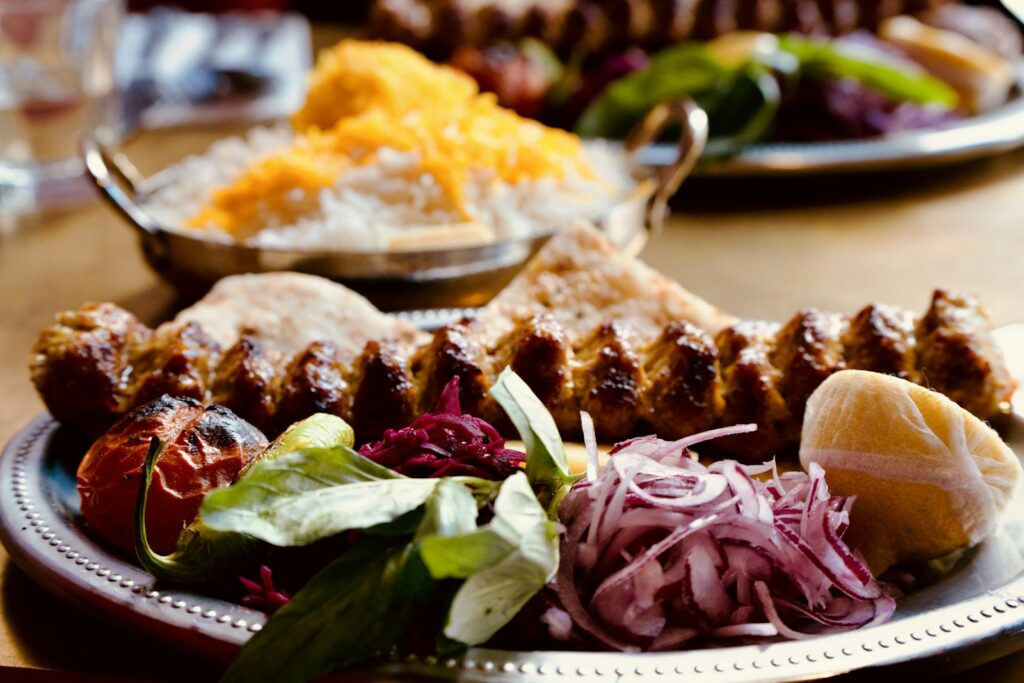
In Ottoman palace cuisine, the fatty texture of lamb meat is used alongside the natural acidity and sugar of fruits such as damson plum, dried apricot, fig, and raisins to balance the flavor profile. Mutancana and stew varieties found in the 15th and 17th-century Topkapi Palace Matbah-ı Âmire records aim to lighten rather than overpower the heavy taste of meat. Instead of beef, lamb shoulder, which has a softer fat structure, is preferred. Lamb meat cooked over low heat in cast-iron or copper pots for 2 to 3 hours gains a caramelized texture with the juices released by the fruits.
The main rationale of palace chefs in using fruit was to benefit from the digestive-aiding effects of sour and sweet elements. At the beginning of the cooking process, only onion and salt are added to the meat, while dried fruits enter the pot in the last 20 minutes of cooking. This timing allows the fruits to maintain their fibrous structure without losing their shape. Spices such as cloves, coriander, long pepper, and cinnamon balance the sweetness coming from the fruit. Today, this cooking balance is meticulously applied by the kitchen team to preserve the original aromatic structure of traditional recipes.
Ballı Mahmudiye: The meeting of chicken meat with cinnamon, almond, and honey
Dating back to the reign of Sultan Murad II in the 15th century, Ballı Mahmudiye is a classic palace dish prepared by slow-cooking chicken meat with strained village butter, honey, blanched almonds, cinnamon, and freshly squeezed lemon juice. Skinless chicken breast or thigh meat is diced and lightly sauteed in butter. Then, boiled and peeled firm almonds are added to the pot and lightly browned. With the addition of flower honey, cinnamon stick, and lemon juice, the dish is left to simmer using the reduction method for approximately 35-40 minutes.
The acidity provided by lemon juice in the Ballı Mahmudiye dish cuts the intense sweetness of honey, leaving a balanced sweet-and-sour flavor on the palate. The Olive Anatolian team prepares this historical recipe adhering to its original proportions among 65 different options in its a la carte menu. This dish, which gastronomy enthusiasts can explore thanks to modern palace cuisine presentations on restaurant menus, stands as one of the most concrete examples of Ottoman protein and fruit balance. Fresh mint leaves or roasted almond flakes are added to the plate during service.
Cooking techniques extending from Ottoman pots to terrace tables
The slow-cooking technique of palace cuisine is sustained in modern rooftop terrace restaurants through searing and cast-iron pot reduction steps, preserving the tenderness of meat and the texture of fruit aromas. To prevent meat fibers from toughening, long-term cooking at a constant temperature between 90 and 100 degrees Celsius is preferred over high-heat, short-term sauteing. When preparing lamb stew with damson plums or mutancana, fruits are soaked in warm water briefly before entering the pot to balance their sugar content.
Serving at Ebusuud Caddesi No:12 Sirkeci, the restaurant’s kitchen opens every day at 12:00 and accepts the last food order at 22:30. The kitchen team selects fresh and seasonal ingredients in accordance with food safety standards while preparing historical recipes. Accompanied by views of the Historical Peninsula and the Bosphorus on the terrace area, Ottoman flavors on the menu combine both traditional sauce consistency and modern presentation aesthetics. For travelers visiting the area, reaching the venue located 50 meters from the Gülhane tram stop is practical guided by location details in Sirkeci.
Fruit-based olive oil dishes and plant-based alternatives in Ottoman cuisine
Fruit usage in Ottoman palace cuisine is not limited to meat dishes, but also finds broad presence in cold olive oil dishes such as celery with quince, stuffed grape leaves with sour cherries, and cabbage rolls with apple. For guests who do not consume meat or prefer plant-based dining, the palace cuisine’s olive oil tradition offers a rich resource. Dried sour cherries and currants added to the rice filling wrapped in fresh grape leaves add a natural sweet-and-sour flavor to the stuffed leaves.
In palace tradition, olive oil dishes are allowed to rest at room temperature after cooking and served cold. Celery with quince, cooked with extra virgin olive oil, orange juice, and fresh ginger, is among the indispensable root vegetable dishes of palace tables during winter months. Within the dedicated 23-item vegan menu selection presented at Olive Anatolian Restaurant, this plant-based culinary heritage of Anatolia and the palace finds a direct place. Chefs keep vegetable and fruit cooking times separate to preserve the nutritional values of the ingredients.
Pairing fruit-based palace dishes with local Turkish wines
Ottoman meat dishes with dried fruits and sweet-and-sour sauces harmonize well with red wines made from local Anatolian grapes such as Öküzgözü, Boğazkere, or Kalecik Karası, which feature full-bodied and fruity aromas. Dishes made from poultry like Ballı Mahmudiye, containing a balance of honey and cinnamon, form a balanced pairing with the high acidity and red fruit notes of the Kalecik Karası grape.
For richer, fatty, red-meat-based palace dishes like lamb stew with damson plums or mutancana, Öküzgözü-Boğazkere blends from the Eastern Anatolia region are preferred. The strong tannin structure of Boğazkere softens the fat tissue in lamb meat, while the damson plum and fresh cherry aromas of Öküzgözü achieve full harmony with the fruit sauce of the dish. Featuring 43 domestic producers out of 44 wine varieties in the restaurant’s extensive 133-item beverage menu brings the richness of Anatolian viticulture to the tables.
Comparison of prominent fruit-based dishes of palace cuisine
You can examine the differences between meat and olive oil fruit dishes in palace cuisine in terms of ingredients, cooking techniques, and flavor profiles in the table below:
| Dish Name | Main Ingredients | Flavor Profile | Service Type |
|---|---|---|---|
| Ballı Mahmudiye | Chicken meat, honey, almond, cinnamon, lemon | Aromatic, sweet-and-sour | Hot Main Course |
| Mutancana | Lamb meat, damson plum, dried apricot, almond | Full-bodied, fruity-savory | Hot Main Course |
| Sour Cherry Stuffed Grape Leaves | Grape leaves, rice, dried sour cherry, pine nuts | Fresh, mildly tart | Cold Olive Oil Dish |
| Celery with Quince | Celery root, quince, extra virgin olive oil, orange | Citrusy, sweetish root | Cold Olive Oil Dish |
Accommodation recommendation accompanied by palace flavors in a historic atmosphere
For travelers wishing to integrate the historic texture around Sultanahmet and Sirkeci with rooms inspired by Ottoman palace architecture, accommodation choice completes the gastronomy experience. Staying within a few minutes’ walking distance to Hagia Sophia, Topkapi Palace, and the Harem section makes exploring Historical Peninsula itinerary routes on foot easy. Enjoying palace recipes for dinner after a day of museum visits adds completeness to a vacation program.
Reflecting Ottoman palace aesthetics and magnificence in its concept, Hotel Sultania brings this atmosphere into its room designs in the Sultanahmet region. Operating under Yaşmak Hotel Collection, the property offers a comfortable stay for guests curious about palace culture while making dinner plans practical with its location within walking distance of the rooftop terrace restaurant in Sirkeci.
The rich culinary heritage of Ottoman palace cuisine based on the pairing of fruit and meat continues to live on modern terrace tables through accurate cooking techniques and quality local ingredients. During your trip to the Historical Peninsula, you can experience these authentic recipes against the Bosphorus view in Sirkeci and discover the centuries-old balance of Turkish culinary culture.
Sık Sorulan Sorular
What are the fruit-based meat dishes in Ottoman palace cuisine?
Prominent fruit-based meat dishes in Ottoman palace cuisine include Honey Mahmudiye, mutancana, lamb stew with plums, and kalye with quince. In these dishes, chicken or lamb is slow-cooked with ingredients such as dried apricots, damson plums, raisins, honey, and cinnamon.
What ingredients are used in the Honey Mahmudiye dish?
Honey Mahmudiye features chopped chicken, strained village butter, flower honey, blanched almonds, cinnamon sticks, and freshly squeezed lemon juice. The acidity of the lemon juice balances the sweetness of the honey, giving the dish its unique sweet-and-sour flavor.
Are Ottoman palace dishes served at Olive Anatolian Restaurant?
Yes, Olive Anatolian Restaurant includes Honey Mahmudiye and traditional meat and olive oil recipes from Ottoman palace cuisine in its a la carte menu. The restaurant is open daily from 12:00 to 00:00, and the kitchen takes last orders at 22:30.
Which wines are preferred alongside fruity Ottoman meat dishes?
High-acidity red wines such as Kalecik Karası are preferred with sweet-and-sour poultry dishes, while full-bodied local wines like Öküzgözü or Boğazkere are favored with lamb dishes made with damson plums. The restaurant's beverage menu features 44 wine varieties, 43 of which are local.
Are there vegan or vegetarian fruit-based dishes in Ottoman cuisine?
Yes, Ottoman cuisine includes plant-based fruit dishes prepared with extra virgin olive oil, such as stuffed grape leaves with sour cherries, celery with quince, and stuffed cabbage with apples. The restaurant offers a separate 23-item vegan menu that includes these delicacies.
How can one reach Olive Anatolian Restaurant located in Sirkeci?
The restaurant is located at Sirkeci Ebusuud Caddesi No:12 and is approximately 50 meters from the Gülhane tram stop. It is easily accessible on foot from historical landmarks such as Hagia Sophia and Topkapı Palace.
What are the restaurant's kitchen operating hours and last order time?
The restaurant serves every day of the week between 12:00 and 00:00. The kitchen team accepts last food orders until 22:30.
Where is suitable for Ottoman-themed accommodation in the Historical Peninsula?
Hotel Sultania stands out as a prominent choice for accommodation, featuring room designs inspired by Ottoman palace architecture and Harem aesthetics. The property is within walking distance of historical sites in Sirkeci and Sultanahmet.
Executive Chef & Olive Culinary Team
Ottoman Palace & Contemporary Turkish Cuisine
Bringing together centuries-old Ottoman palace recipes and contemporary Turkish gastronomy at Olive Restaurant, overlooking the iconic historic skyline of Istanbul.