


White Bridal Dress: The History of Rakı and Its Cultural Journey in Anatolia
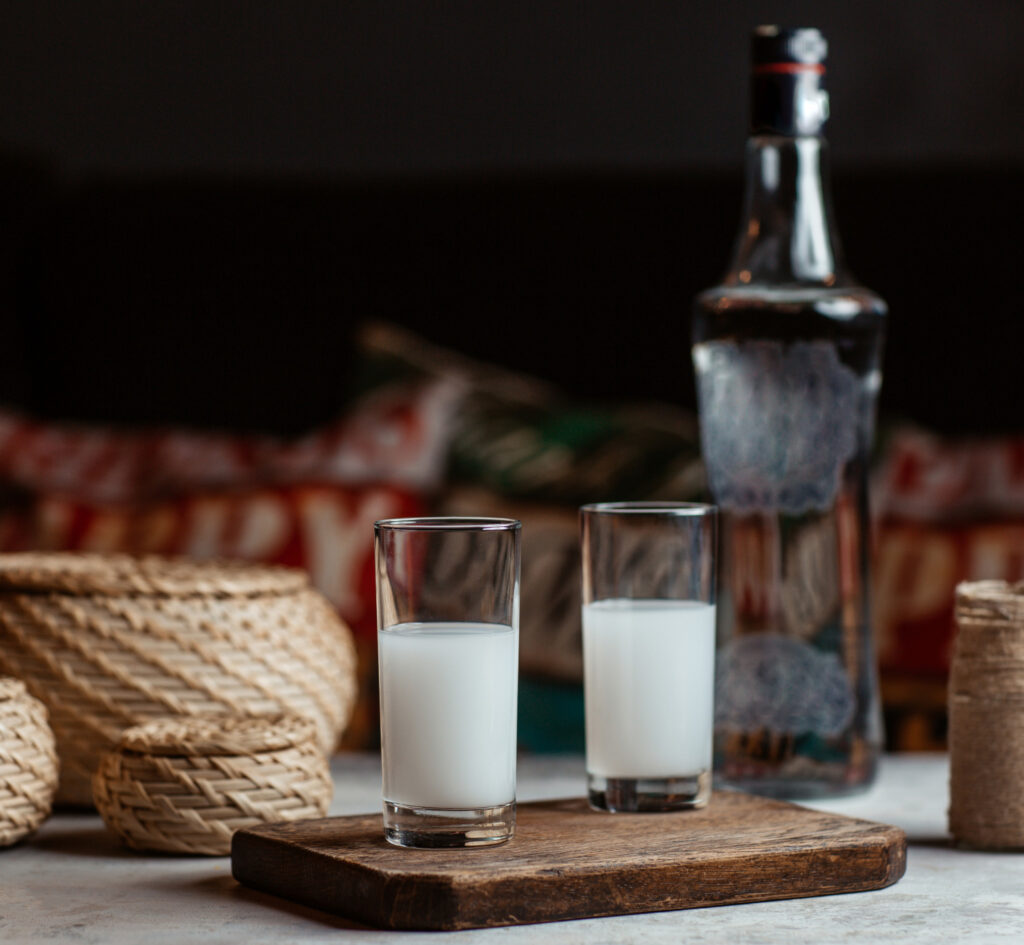
Rakı is a traditional Anatolian distilled spirit with an alcohol content of 40% to 45%, produced by distilling suma—obtained from fermented grape must—a second time in copper alembic stills with aniseed (Pimpinella anisum). Popularly called “white bridal dress” or “lion’s milk” due to the cloudy white appearance created when anise oil loses solubility upon adding water, this spirit has developed a rich table etiquette and meze culture over centuries.
When and how did rakı production begin in Anatolia?
Rakı production in the Anatolian region became a concrete commercial activity in the 16th and 17th centuries through the distillation of grape pomace in stills within the workshops of the Ottoman Empire. In his 17th-century travelogue Seyahatname, the traveler Evliya Çelebi detailed that a guild of tradesmen known as “arakçılar” operated in more than 100 shops in Istanbul and that these products were part of the city’s social life. In the early periods, adding aniseed to the distillate obtained from grape pomace gave the drink its characteristic aroma and scent. While the use of copper stills formed the technical infrastructure of the distilleries, the initial and final runs of the distillation process were separated, leaving only the middle cut known as “göbek” (heart) for production. While tracing this culture through the streets of Istanbul, you can include the historic tavern districts in your Historic Peninsula tour plan.
What is the place of rakı in Ottoman palace and urban culture?
In Ottoman urban life, rakı was a social drink shaped around the “çilingir sofrası” (rakı table) tradition, particularly in the Gedikli and Koltuk taverns along the Galata, Tahtakale, and Samatya lines. While licensed Gedikli taverns served regular patrons, Koltuk taverns—where drinks were consumed standing up quickly—formed part of the city’s subculture. Towards the end of the 19th century, during the reign of Sultan Abdülhamid II, the Umur Aca Rakı Factory established on the Tekirdağ road by Chief Chamberlain Seyyid Hasan Pasha initiated the first official registered production. During this period, brands like Deniz Kızı, Ahi, and Bozcaada gained market presence, contributing to commercial standards. If you wish to incorporate the architectural texture of the Ottoman era and Sultanahmet’s historical atmosphere into your stay, you can stay at Hotel Sultania and reach historical landmarks on Ebusuud Street and its surroundings within a few minutes’ walk.
How should meze ordering and serving temperature be arranged at a rakı table?
The ideal serving temperature at a rakı table is between 8 and 10 degrees Celsius, and meze service progresses gradually from cold olive oil dishes toward hot appetizers. The clouding effect that occurs when water is added to the drink is a physical emulsion reaction caused by the decreased solubility of the anethole compound in anise oil in water. Pouring room-temperature rakı into the glass first, followed by an equal amount of cold water and optional ice, allows the anise aromas to release in a balanced manner. In the opening stage of the meal, palate-cleansing cold dishes such as rich Ezine cheese, ripe melon, ginger fava, haydari, and artichokes in olive oil are preferred. If you follow a vegan or vegetarian diet, you can create a balanced menu by adding plant-based cold mezes like artichokes in olive oil, hummus, or samphire to your table.
Traditional meze varieties and harmonious flavor pairings
To achieve a balanced flavor profile at rakı tables, salted cheeses, rich seafood, and acid-balanced vegetable mezes are presented together. You can refer to the pairing table below to ensure flavor balance at your table:
| Meze Name | Main Ingredient | Flavor Profile | Reason for Pairing with Rakı |
|---|---|---|---|
| Ezine Cheese & Melon | Sheep’s Milk Cheese, Ripe Melon | Salty, Rich, and Sweet | The high fat content of the cheese softens the alcohol’s edge, while the melon’s sugar balances the palate. |
| Lakerda | Bonito Fish, Rock Salt | Salty, Rich, Umami | The fish’s natural fat integrates with the anise aroma, offering a smooth finish. |
| Ginger Fava | Broad Beans, Olive Oil, Onion | Creamy, Herbal, Dense | The starchy structure of broad beans balances high alcohol strength on the palate. |
| Şakşuka | Eggplant, Pepper, Tomato Sauce | Acidic, Rich, Slightly Sweet | The natural acidity of tomatoes and fried eggplant brings vitality to the table. |
| Muhammara | Walnuts, Pepper Paste, Cumin | Spicy, Dense, Rich | Walnut oil and spices complement the aromatic profile of aniseed. |
What has changed in rakı production from the Republican era to the present?
In the Republican period, rakı production was brought under state monopoly through legislation enacted in 1926 and began to be produced under a standardized industrial recipe within the Tekel administration in 1944. Suma used in production is obtained by distilling fresh or dried grape must. While rakıs made from fresh grape suma highlight the fruity aromas of Sultaniye and Razakı grapes, dried grape rakıs exhibit a fuller body and spicier character. Following the privatization of the state monopoly in 2004, oak-aged, triple-distilled, or single-vineyard series were introduced to the market. In accordance with legal regulations in Turkey, the sale and service of alcoholic beverages are restricted to individuals aged 18 and older. To experience drink service while watching the Bosphorus view in the evening, you can check the sunset hours guide.
How is the harmony between rakı and main courses achieved in Anatolian cuisine?
In Anatolian culinary tradition, rakı is a conversational drink enjoyed slowly over an extended period with mezes rather than a beverage paired primarily with a heavy main course. Because heavy, red meat-focused dishes with rich tomato pastes tire the palate’s taste receptors, pan-sautéed buttered shrimp in cast iron, fried calamari, or grilled seafood served over roasted eggplant puree are preferred over heavy mains. At the conclusion of the meal, light choices such as baked rice pudding or pumpkin dessert with walnuts are served instead of heavy syrup-laden pastries. To understand flavor differences while planning your table, you can explore the content on differences among Turkish desserts.
How is the traditional rakı table experience lived in modern restaurants?
In modern restaurants, the traditional rakı table experience is kept alive through authentic mezes prepared with fresh seasonal ingredients and beverage service presented at the correct temperature. Located at Ebusuud Caddesi No:12 in Sirkeci, the terrace restaurant sits 50 meters from the Gülhane tram stop. The Olive Anatolian team offers 65 different dishes on its à la carte menu, along with a separate 23-item vegan menu for plant-based diners and a broad beverage list of 133 items. The restaurant is open daily from 12:00 to 00:00, with the kitchen accepting final orders at 22:30. If you wish to experience culinary techniques firsthand, you can participate in a two-hour cooking workshop to learn the steps of preparing traditional plates. To explore alternatives offered to start the day, you can check out traditional Turkish breakfast options.
As one of the most prominent symbols of Anatolia’s deep-rooted hospitality and dining culture, rakı holds a special place in culinary history through its centuries-old production techniques and rituals. Completed with proper meze selections, appropriate serving temperatures, and warm conversation, the rakı table is not merely a food and drink experience, but a living cultural heritage. Discovering this ancient tradition against the Bosphorus backdrop in the Historic Peninsula offers a valuable opportunity to understand Anatolian gastronomic heritage.
Sık Sorulan Sorular
Which appetizers (mezes) are served first at a rakı table?
Cold mezes and cheese varieties are served first at a rakı table. Hard, full-fat Ezine cheese, ripe melon, fava with ginger, haydari, and artichokes in olive oil take their place on the table in the initial stage. Hot starters and fish options are brought to the table as the conversation progresses.
Why does rakı turn white when water is added?
Rakı turns white upon contact with water because the anethole found in its anise oil is insoluble in water. The anise oil, dissolved at a high alcohol content, precipitates into microscopic droplets as the alcohol concentration drops when water is added, refracting light and giving it a white color.
What should the serving temperature of rakı be?
The ideal serving temperature for rakı is between 8 and 10 degrees Celsius. Serving it too cold suppresses the anise aroma, while serving it at room temperature highlights the harshness of the alcohol. It is recommended to pour rakı into the glass first, followed by water and optionally ice.
What meze options are available at a rakı table for vegans?
For vegans, a rakı table offers entirely plant-based mezes such as stuffed grape leaves in olive oil, fava, hummus, şakşuka, samphire, roasted eggplant salad, and muhammara. These dishes contain no animal products and are based on traditional Anatolian recipes.
Where to go for a rakı and meze experience in the Historic Peninsula?
Located at Ebusuud Avenue No:12 in the Sirkeci area, Olive Anatolian Restaurant serves traditional mezes and rakı on its terrace with a Bosphorus view. Situated 50 meters from the Gülhane tram stop, the venue is open between 12:00 and 00:00.
Which hotel is suitable for gastronomy enthusiasts wishing to stay in the Historic Peninsula?
For those who want to experience the historic atmosphere of the Sultanahmet and Sirkeci regions, Hotel Sultania is an ideal accommodation choice. Designed with Ottoman architectural details, the hotel is within walking distance of sightseeing spots and restaurants in the Historic Peninsula.
What is the difference between fresh grape rakı and raisin (dried grape) rakı?
Fresh grape rakı is produced from the must of freshly harvested Sultaniye or Razakı grapes, offering a fruitier and smoother drink. Raisin rakı, on the other hand, is made from suma obtained by distilling dried grapes, offering a more full-bodied and aromatic flavor profile.
Is a reservation required for dinner on the terrace of Olive Anatolian Restaurant?
Because the terrace area can get busy, it is recommended to make a reservation in advance, especially for dinner and sunset hours. The kitchen accepts last orders at 22:30, and reservation requests can be submitted through the venue's official communication channels.
Executive Chef & Olive Culinary Team
Ottoman Palace & Contemporary Turkish Cuisine
Bringing together centuries-old Ottoman palace recipes and contemporary Turkish gastronomy at Olive Restaurant, overlooking the iconic historic skyline of Istanbul.