

Pairing Native Grape Wines with an Anatolian Cheese Board
Native Anatolian grape wines such as Öküzgözü, Narince, and Kalecik Karası are served alongside regional cheeses like Divle Obruk, Kars Gruyère, Erzincan tulum, and aged artisan varieties by balancing acidity, fat ratio, and tannin structure. While the high acidity of the Narince grape balances the rich, oily texture of Divle Obruk cheese, the red fruit notes of the Kalecik Karası grape harmonize with the nutty aromas of Kars Gruyère aged for 6 to 12 months. Meanwhile, the lively tannin structure of the Öküzgözü grape counterbalances the sharp saltiness of goat’s milk-heavy Erzincan tulum cheese.
Fundamental Principles of Pairing Anatolian Grapes with Regional Cheeses
When pairing native grape wines with Anatolian cheeses, the fundamental principle is to balance the fat and salt content of the cheese without clashing against the body, tannins, and acidity of the wine. The white grape variety Narince offers a refreshing palate structure thanks to its high acidity derived from the chalky soil composition of the Tokat region. This high acidity cuts through the coating layer left on the palate by high-fat sheep’s milk cheeses. Kalecik Karası, a delicate red grape from Central Anatolia, integrates well with firm yet moderately intense rind cheeses due to its low-tannin profile and vibrant red fruit aromas. The Öküzgözü grape native to Elazığ features a medium-to-full body and crisp acidity capable of matching the bold character of aged, high-salt tulum cheeses.
The production processes of products used in cheese and wine presentations directly impact their flavor profiles. For instance, cheeses aged using traditional methods in caves or wooden casks carry complex aromas due to their microflora. To ensure these aromas do not overpower the fruity or spicy character of the wine, serving temperature is critical. Serving red wines between 16 and 18 degrees Celsius, while maintaining white wines at 10 to 12 degrees Celsius, provides optimal performance in balancing the fat content of the cheese. Choosing regionally geographically indicated products highlights the authentic traits of culinary culture.
Balance Between Narince and Divle Obruk Cheese
Dry Narince white wine pairs with Divle Obruk cheese, which is aged for 5 to 6 months in natural sinkhole caves in the Karaman region, based on an acidity-to-fat balance. Harvested from vineyards in and around Tokat, Narince grapes exhibit notes of citrus, green apple, and occasionally white flowers. Divle Obruk cheese, produced from a mixture of sheep’s and goat’s milk, develops a reddish rind through contact with cave flora inside sheepskin casing, resulting in a high-fat, aromatic profile.
When the high butterfat and distinct aroma of the cheese meet the crisp acidity of the Narince grape, a well-balanced structure develops on the palate. If oak-aged vintages of the wine are selected, vanilla and buttery notes from the barrel merge with the subtle nutty background aromas of the cheese. Before serving, the cheese should be allowed to reach room temperature (around 18-20 degrees Celsius), while the wine should be poured at around 10 degrees Celsius. This temperature variance helps dissolve the fat molecules of the cheese and allows the wine’s fruit character to come forward.
Harmony of Kalecik Karası and Kars Gruyère
Kalecik Karası red wine displays an elegant harmony of supple tannins and nutty aromas with Kars Gruyère, which is made from the milk of cows grazing on high-altitude pastures in Kars and aged for at least 6 months. Originating from Ankara’s Kalecik district, this grape variety is known for its silky tannin structure, light body, and notes of Napoleon cherry, strawberry, and subtle damson plum. Kars Gruyère stands out with its firm texture, small to medium eyelets, and concentrated flavor near the rind.
High-tannin and high-alcohol wines risk overpowering the subtle nutty and milky notes of Kars Gruyère. Thanks to its velvety profile, Kalecik Karası softens the firm texture of the cheese, offering a fruity finish without creating unwanted dryness on the palate. Gruyère slices aged between 8 and 12 months are preferred for this pairing. Cutting the cheese into thin strips or small cubes increases its surface area contact with air, allowing aromas to open up faster. If you would like to gain comprehensive knowledge on native vintages and grape profiles, you can explore our Turkish wine guide.
Pairing Öküzgözü Grapes with Aged Tulum Cheeses
Dry Öküzgözü red wine balances the intensely salty and pungent nature of high-fat tulum cheeses from Erzincan and İzmir, aged for at least 4 months in leather skin or wooden casks, using its crisp acidity and rich fruitiness. Grown in Eastern Anatolia’s Elazığ and Malatya regions, the Öküzgözü grape stands out with its large berries, high natural acidity, and flavor notes of damson plum, sour cherry, and clove.
When produced from goat’s or sheep’s milk, tulum cheeses carry a high fat content alongside a sharp tang and saltiness resulting from the fermentation process. The vibrant sour cherry acidity of Öküzgözü wine neutralizes the cheese’s saltiness, while its medium-bodied tannin structure cuts through the dense creamy residue left on the palate. Adding walnut halves or dried damson plums alongside the cheese creates a bridge between the spicy notes of the wine and the fermented aromas of the cheese.
Selecting the Right Native Vintage from the Beverage Menu
Featuring different vintages of native grape varieties on beverage lists in the Historic Peninsula enriches culinary tasting experiences. Located at Ebusuud Caddesi No:12 in Sirkeci, Olive Anatolian Restaurant offers a beverage menu with 133 total items, including 44 curated wines, 43 of which represent vintages from local producers. Alongside single-varietal options, the wine list includes blends such as Öküzgözü-Boğazkere or Narince-Emir.
When selecting the right vintage, the serving order of the dish or cheese board should be considered. It is recommended to begin tasting with light-bodied whites and fresh cheeses, progressing toward oak-aged vintages and mature cheeses. To explore various vintage examples and tasting notes, you can check out our terrace Turkish wine pairing guide. The Olive Anatolian team provides guests with technical guidance regarding serving temperatures and tasting sequences for each variety on the cheese board.
Creating an Anatolian Cheese Board and Presentation Standards
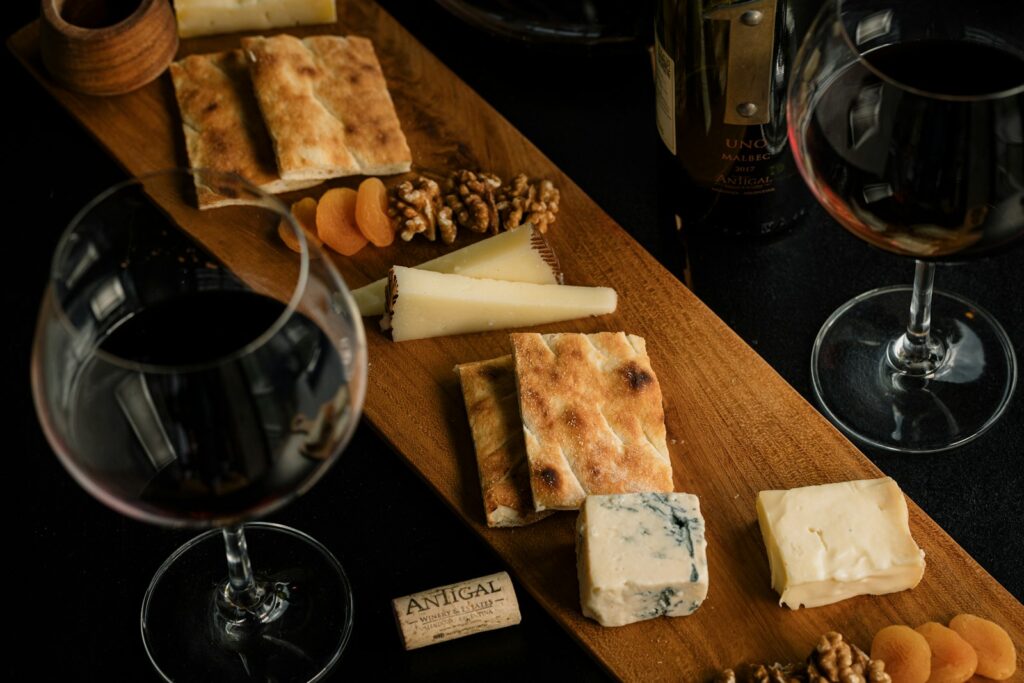
When assembling a traditional Anatolian cheese board, between 4 and 6 cheese varieties sourced from different milk types (cow, sheep, goat) and aging techniques (cave-aged, tulum, Gruyère, blue-veined) should be placed on the platter. The board layout is arranged clockwise, progressing from mild aromas to bold, intense flavors. Fresh herb-infused or goat cheeses serve as the starting point, mature selections such as Divle Obruk or Kars Gruyère sit in the middle, and Ardahan blue cheese or aged tulum cheeses occupy the final position.
Accompanying elements served alongside the cheese board should not overpower the main product’s flavor. Raw almonds, hazelnuts, and walnuts integrate well with the fat content of the cheese, while sun-dried apricots, dried figs, and prunes complement the fruity notes in the wine. Freshly baked sourdough einkorn bread or grissini provide a neutral base to reset the palate between bites. If you want to access technical details on table setup and presentation aesthetics, you can review our meze plating guidelines.
| Grape Variety | Recommended Anatolian Cheese | Aroma and Flavor Profile | Serving Temperature |
|---|---|---|---|
| Narince (Dry White) | Divle Obruk Cheese | Citrus, green apple, high acidity / Rich, nutty, cave flora | 10 – 12 °C |
| Kalecik Karası (Red) | Kars Gruyère (6-12 Months) | Red fruit, Napoleon cherry, subtle tannin / Mildly sweet, milky, firm nutty texture | 14 – 16 °C |
| Öküzgözü (Red) | Erzincan / İzmir Tulum | Damson plum, clove, crisp acidity / Sharp salty, goat/sheep milk, creamy | 16 – 18 °C |
| Boğazkere (Red) | Ardahan Blue Cheese | Black fruit, spice, full-bodied and tannic / Dense blue mold, aromatic, sharp | 16 – 18 °C |
Wine and Cheese Experience in the Historic Peninsula
Establishments located in Sirkeci at the heart of the Historic Peninsula, roughly 50 meters from the Gülhane tram stop, offer tasting experiences paired with Bosphorus views. After exploring sight-seeing routes that include Hagia Sophia, Topkapı Palace, and Gülhane Park, you can sample local wine selections at rooftop restaurants in the late afternoon. A la carte menus presented in rooftop venues showcase meze and cheese selections prepared using traditional culinary techniques.
For guests seeking to combine their Istanbul journey with a romantic stay and enjoy the historic streets after dinner, accommodation options in the Sirkeci area provide convenient transit access. For romantic getaways or special dinner occasions, Romance Istanbul Hotel in Sirkeci offers an ideal lodging alternative with comfortable room options and a central location.
Native grapes and geographically indicated cheeses, essential components of Anatolian culinary culture, create a balanced tasting profile when paired with proper techniques. By evaluating the balance of acidity, tannins, and fat across different vintages and cheese varieties, you can discover the ideal combination suited to your palate.
Sık Sorulan Sorular
Which cheeses are served with Narince wine?
Thanks to its high acidity, Narince dry white wine is served with Divle Obruk, full-fat goat cheese, and aged white cheese. The citrus notes of the wine balance the milk fat of the cheese.
What is the most suitable local cheese for Kalecik Karası wine?
The most suitable cheese for Kalecik Karası wine is Kars Gruyere aged for 6 to 12 months. The wine's velvety tannins and red fruit aromas harmonize with the nutty texture of the Gruyere.
Is Öküzgözü wine compatible with tulum cheese?
Yes, thanks to its high natural acidity and vibrant damson plum aromas, Öküzgözü wine perfectly balances the sharp saltiness and high fat content of Erzincan or İzmir tulum cheese.
What should be the serving temperature of an Anatolian cheese platter?
To fully reflect its aromas and fat texture, the cheese platter should be brought to room temperature (18-20 °C) before serving. Wines, on the other hand, are served between 10-18 °C depending on their type.
Where is Olive Anatolian Restaurant located and how can it be reached?
Olive Anatolian Restaurant is located at Ebusuud Caddesi No:12 in Sirkeci. It is approximately 50 meters from the Gülhane tram stop and within walking distance of Sultanahmet, Hagia Sophia, and Topkapı Palace.
How many types of wine are on the beverage menu of Olive Anatolian Restaurant?
The restaurant's 133-item beverage menu includes a total of 44 types of wine, 43 of which are selected from Turkey's indigenous grapes and esteemed vintages.
Which fruits and nuts should be served alongside the cheese platter?
Sun-dried apricots, figs, and damson plums should be served to support the fruit notes in the wine, while raw almonds, walnuts, and hazelnuts should be served to complete the fat balance on the cheese platter.
Where can one stay after a romantic dinner in Sirkeci?
For those seeking a romantic stay in the Sirkeci area, Romance Istanbul Hotel, located within walking distance of the restaurant, offers a comfortable and authentic accommodation option.
Executive Chef & Olive Culinary Team
Ottoman Palace & Contemporary Turkish Cuisine
Bringing together centuries-old Ottoman palace recipes and contemporary Turkish gastronomy at Olive Restaurant, overlooking the iconic historic skyline of Istanbul.